
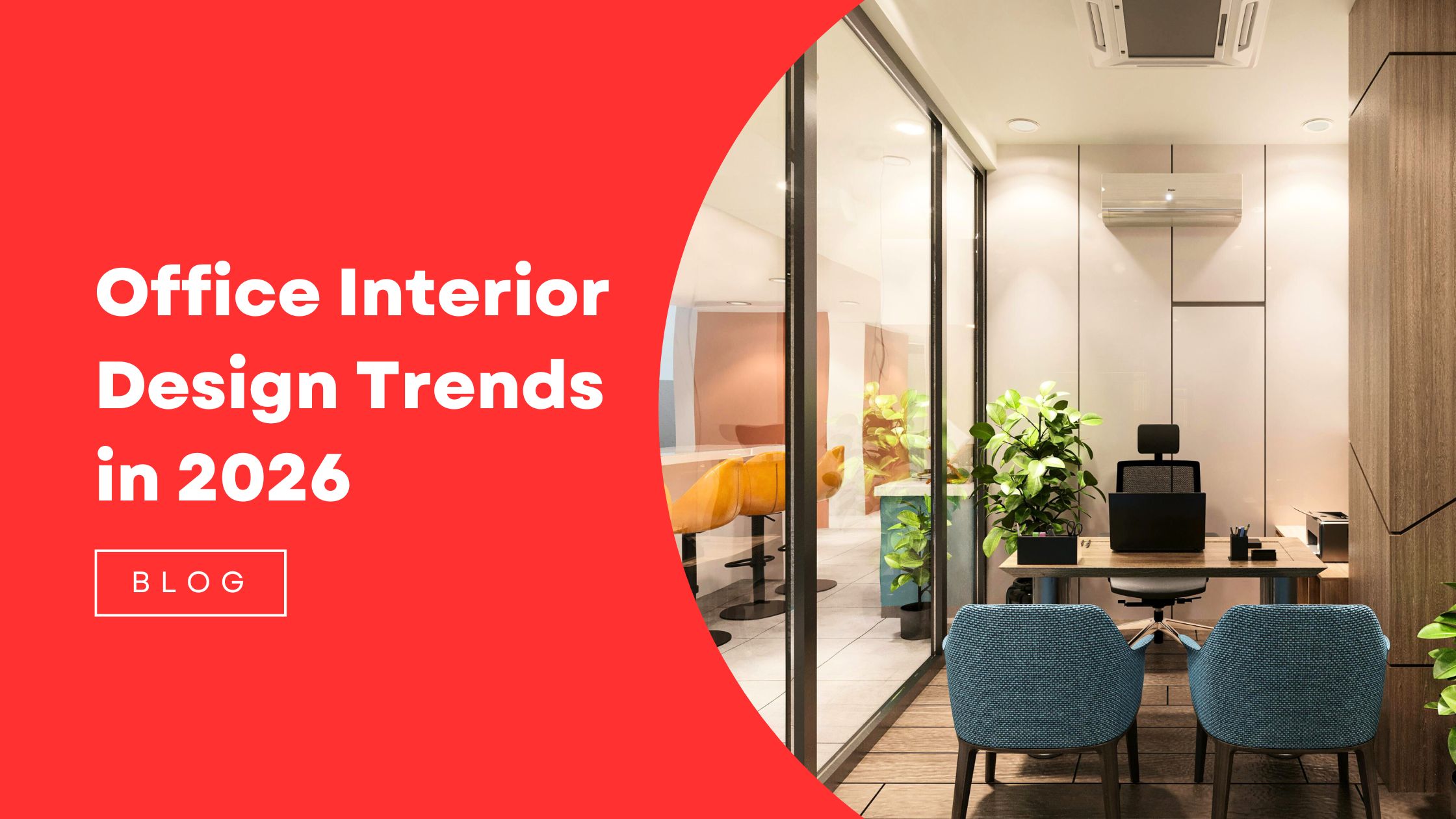
The year 2026 marks a definitive shift in the philosophy of the workplace. We are no longer asking if employees will return to the office; we are asking what the office can do for them that nowhere else can. The “sea of cubicles” has officially been retired, replaced by environments that are responsive, ethical, and deeply human-centric.
In 2026, office interior design is no longer just about aesthetics or brand colors—it is a strategic tool for retention, mental health, and environmental stewardship. Here are the five defining trends shaping the modern workplace this year.
1. The Neuro-Inclusive Ecosystem
One of the most significant shifts this year is the move from “universal design” to Neuro-Inclusive Design. Recognizing that 15–20% of the global population is neurodivergent, companies are moving away from the “one-size-fits-all” open-plan layout.
Instead, offices are being designed as ecosystems of sensory zones. These spaces cater to different cognitive needs throughout the day, providing a choice between high-stimulation “vibrant hubs” and low-stimulation “sensory sanctuaries.”
- Acoustic Zoning: Acoustic planning has become invisible but omnipresent. We see the rise of “soundscaping”—using directional speakers and acoustic felt art to create “quiet bubbles” without the need for floor-to-ceiling walls.
- Sensory Pods: Individual pods now feature adjustable sensory inputs, allowing users to control lighting temperature, white noise levels, and even subtle scents.
- Predictable Wayfinding: Design now uses clear visual cues, textures, and color-coded paths to reduce the cognitive load of navigating a large space.
2. Radical Sustainability: The “Circular” Office
In 2026, “eco-friendly” is no longer a buzzword—it is a measurable mandate. The industry has moved toward Circular Design, which focuses on the entire lifecycle of an office fit-out. The goal is “net-positive” design, where the office gives back more to the environment than it takes.
- Design for Disassembly: Furniture and partitions are now built to be easily taken apart and repurposed. Modular walls are held by mechanical fasteners rather than toxic adhesives, ensuring that if a company moves, the interior moves with them.
- Materiality with a Past: There is a growing luxury status attached to remanufactured furniture. Seeing the “soul” in a restored 1970s designer chair or a boardroom table made from reclaimed mass timber is the new corporate status symbol.
- Carbon-Negative Materials: We are seeing widespread use of “bio-materials” like mycelium (mushroom) acoustic panels, cork flooring, and hempcrete partitions that actually sequester carbon.
3. The “Hotelification” of the Office
To “earn the commute,” the 2026 office has adopted a hospitality-first mindset. Known as “Hotelification,” this trend blurs the lines between a high-end boutique hotel and a productive workspace. The goal is to create a “destination” that offers amenities and comforts that a home office simply cannot match.
Key Features of the Hospitality Office:
- The Social Anchor: The entrance is no longer a cold reception desk; it’s a vibrant café or “work-lounge” where employees and clients can mingle over barista-grade coffee.
- Concierge Services: Workplace apps now offer “hotel-style” booking for everything from a height-adjustable desk to a catered lunch or a post-work yoga session.
- Soft Materiality: Cold metals and plastics have been replaced by “warm” textures—terracotta, velvet, hand-woven rugs, and ambient “domestic” lighting (around 2700K to 3000K) that makes the space feel inviting and safe.
4. Invisible Tech & AI-Responsive Environments
Technology in 2026 is becoming “ambient.” We are moving away from visible cables and complex AV setups toward invisible, AI-powered responsiveness. The office itself has become a “phygital” (physical + digital) partner in productivity.
- Circadian Lighting: Smart lighting systems now automatically adjust color temperature and intensity based on the time of day and the amount of natural light entering the building, supporting the natural sleep-wake cycles of employees.
- Occupancy Intelligence: AI sensors track real-time usage of space. If a “neighborhood” is overcrowded, the building’s digital signage might suggest an underutilized, quieter zone on another floor, optimizing energy use and human comfort simultaneously.
- The “One-Touch” Meeting: Meeting rooms are now “platform-agnostic.” Sensors detect when a scheduled team enters, automatically activating cameras, adjusting the acoustics for those joining remotely, and even providing real-time AI transcription on transparent glass displays.
5. Biophilic Design 2.0: Living Systems
Biophilia in 2026 has evolved past the occasional potted plant. Biophilic Design 2.0 focuses on “living systems” that integrate nature into the very infrastructure of the building.
- Internal Air-Wells: Modern offices are incorporating vertical gardens that act as natural air filtration systems, significantly improving indoor air quality (IAQ) and reducing the load on HVAC systems.
- Water Features: The use of indoor water elements—like trickling walls or small ponds—is being utilized not just for aesthetics, but for the “pink noise” effect, which helps mask distracting office chatter.
- Fractal Patterns: Designers are incorporating natural fractal patterns into carpets and wall coverings. Research shows that looking at these patterns can reduce stress levels by up to 60%, providing a subtle but powerful mental health boost.
The Office as a Cultural Anchor
As we navigate through 2026, it’s clear that the office is no longer a place where people have to go; it is a place where they want to be. By prioritizing neuro-inclusion, circular sustainability, and hospitality, companies are creating spaces that don’t just house employees—they nourish them.
The modern office is a cultural anchor. It is a physical manifestation of a company’s values, a hub for spontaneous innovation, and a sanctuary for deep, focused work. In this new era, the best interior design isn’t the one that looks the best in a brochure—it’s the one that feels the best to the people inside it.