
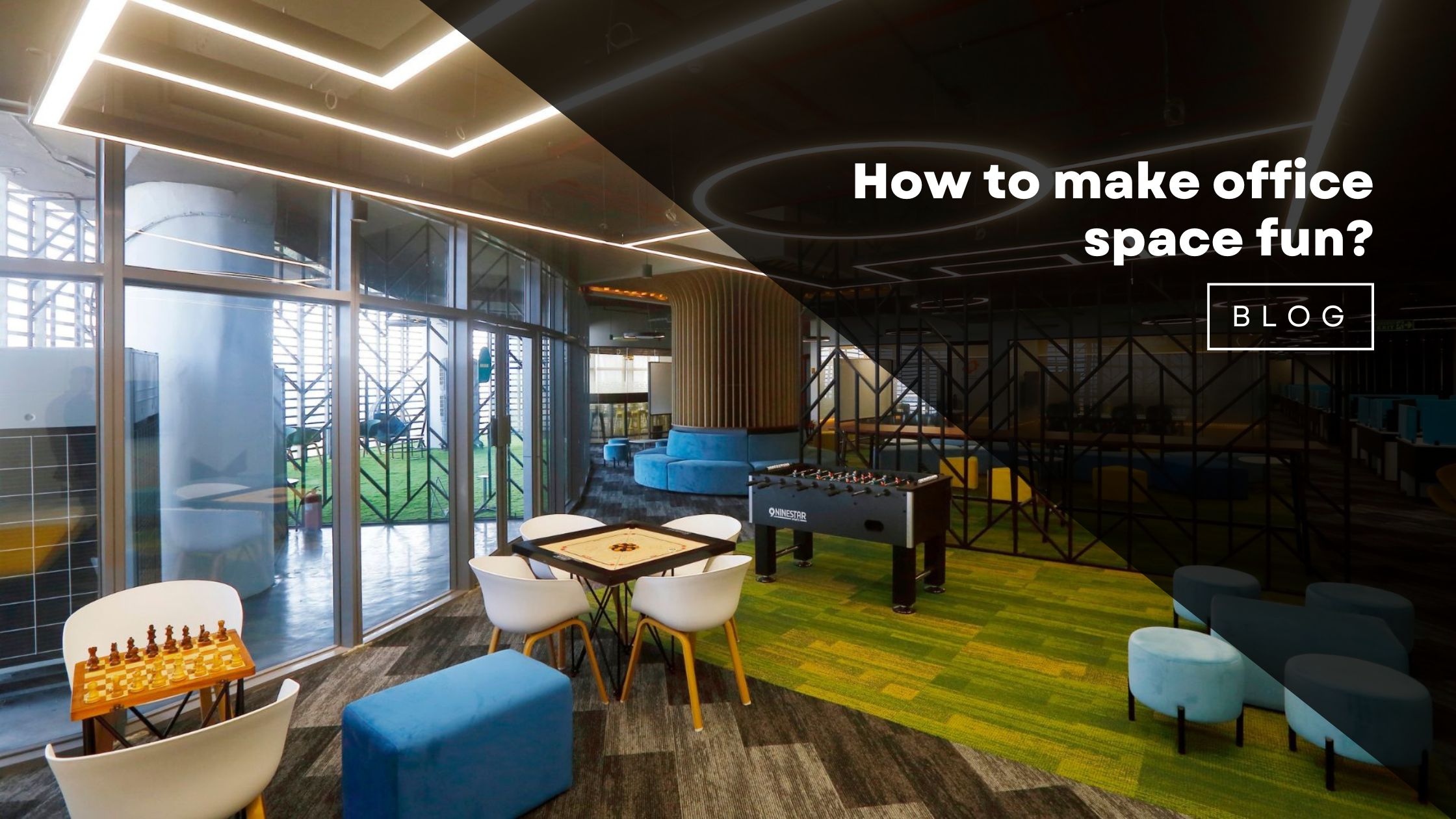
The traditional office, once a sterile environment of beige cubicles and fluorescent lights, is undergoing a radical transformation. Office interior designers are reimagining workspaces to reflect evolving employee expectations and modern work culture. As the lines between work and life continue to blur, and the competition for top talent intensifies, businesses are realizing that a “fun” office isn’t just a perk—it’s a strategic necessity. A vibrant, engaging workspace boosts morale, sparks creativity, and fosters the kind of spontaneous collaboration that drives innovation.
But “fun” in a professional context isn’t about installing a single beanbag chair and calling it a day. It’s about creating an ecosystem that respects diverse working styles while injecting energy and personality into the physical environment.
1. Design for Movement and Spontaneity
The layout of an office dictates the flow of energy. To make a space feel alive, you must break the monotony of rows of identical desks.
Social Hubs and “Collision Points”
Designers are increasingly focusing on “collision points”—areas where employees from different departments naturally cross paths.
- The Upgraded Breakroom: Move beyond the sad microwave and coffee pot. Think of this space as a high-end café or a communal lounge. Long harvest tables encourage people to sit together rather than retreating to their desks.
- The Central Staircase: If your office spans multiple floors, an open, wide staircase can become a vertical social hub, much more inviting than a closed-off elevator.
Movement-Based Furniture
Static environments lead to static thinking. Introducing elements that encourage physical activity can lighten the mood:
- Standing Desk Clusters: High-top tables for quick stand-up meetings.
- Walking Paths: Clearly defined indoor “tracks” or curated paths through the office can encourage “walk and talk” meetings.
2. Incorporating “Play” Into the Architecture
True “fun” is often found in the unexpected. Integrating playful architectural elements can shift the entire atmosphere of a corporate building.
The Gamification of Break Time
While a ping-pong table is a classic, modern offices are getting more creative:
- Putting Greens: A small indoor turf strip is a low-impact way to de-stress.
- Arcade Corners: Retro gaming consoles or modern VR stations provide a genuine mental break.
- Bouldering Walls: For a high-energy culture, a small traversing wall can be a unique team-building feature.
Whimsical Transitions
Why take the stairs when you can take a slide? While it sounds like a Silicon Valley cliché, physical elements that challenge “adult” norms—like indoor swings, slides, or even adult-sized “nooks” built into the walls—signal to employees that creativity and unconventional thinking are welcomed here.
3. Sensory Design: Sound, Sight, and Nature
A fun office is one that delights the senses. A drab environment is a drain on cognitive resources; a vibrant one is a catalyst.
Biophilic Design and Greenery
Bringing the outdoors in is one of the most effective ways to improve mood.
- Living Walls: Vertical gardens act as natural air purifiers and stunning visual focal points.
- Indoor Trees: Large potted trees can define “zones” in an open-plan office without the need for harsh walls.
- Natural Light: Maximizing window access is crucial. Use glass partitions instead of solid walls to let light penetrate the core of the building.
Color Psychology
Move away from “corporate grey.”
- Bold Accents: Use vibrant oranges and yellows in collaborative zones to stimulate energy.
- Calming Hues: Use deep blues and greens in “quiet zones” or libraries to foster focus.
- Interactive Art: Murals painted by local artists or even chalkboard walls where employees can doodle add a layer of human touch.
4. Creating “Zones” for Every Personality
A common mistake is assuming “fun” means “loud.” For an introvert or someone deep in a complex task, a loud game of foosball is the opposite of fun. A truly great office provides a spectrum of environments.
The Library / Quiet Zone
This should be a phone-free, conversation-free zone. Soft lighting, comfortable armchairs, and perhaps a curated bookshelf offer a sanctuary for “deep work.”
The “War Room”
A high-energy space dedicated to brainstorming. Think floor-to-ceiling whiteboards, colorful movable furniture, and high-quality integrated tech for seamless hybrid collaboration.
The Wellness Suite
Fun is hard to have if you’re burnt out. Dedicated spaces for meditation, a quick nap, or even a massage chair show that the company values the person, not just the output.
5. Technology That Just Works
Nothing kills the “fun” faster than a meeting room where the TV won’t connect. Tech should be an invisible enabler of joy.
- Seamless Connectivity: High-speed Wi-Fi that works as well on the outdoor terrace as it does at the desk.
- Interactive Displays: Large touchscreens for digital whiteboarding.
- App-Integrated Amenities: Apps that allow employees to book a “fun” space, order coffee from the in-house café, or see what’s on the menu for the communal Friday lunch.
6. Cultivating a “Fun” Culture Through Space
The physical space is only the stage; the culture is the performance. The office design should facilitate community-building activities.
Communal Dining
Food is the ultimate social lubricant. Designing a space that can host “Lunch and Learns,” “Friday Sundowners,” or cultural food festivals is essential.
- The Open Kitchen: An island-style kitchen encourages people to linger and chat while making tea or prepping lunch.
Flexibility and Choice
The ultimate “fun” perk is autonomy. An office that offers “Hoteling” (unassigned seating) allows employees to choose their environment based on their mood that day. Maybe today they want the energy of the café; tomorrow, they need the silence of the library.
Summary of Key Elements
| Feature | Impact on Office Vibe |
| Biophilic Elements | Reduces stress and increases air quality. |
| Varied Zones | Accommodates both introverts and extroverts. |
| Collision Points | Breaks down silos and encourages cross-team talk. |
| Playful Tech | Modernizes the experience and removes friction. |
| Vibrant Aesthetics | Stimulates creativity and brand identity. |
The ROI of a Joyful Office
Investing in a fun office space is not an indulgence; it is an investment in your most valuable asset: your people. When employees enjoy the physical space they inhabit, they are more engaged, more loyal, and more likely to contribute their best ideas.
The goal for office interior designers isn’t to create a playground, but to build a professional home that recognizes employees as multifaceted human beings who thrive on variety, comfort, and a bit of whimsy. By focusing on movement, sensory delight, and functional flexibility, they can transform a workspace from a place people have to be into a place they want to be.