
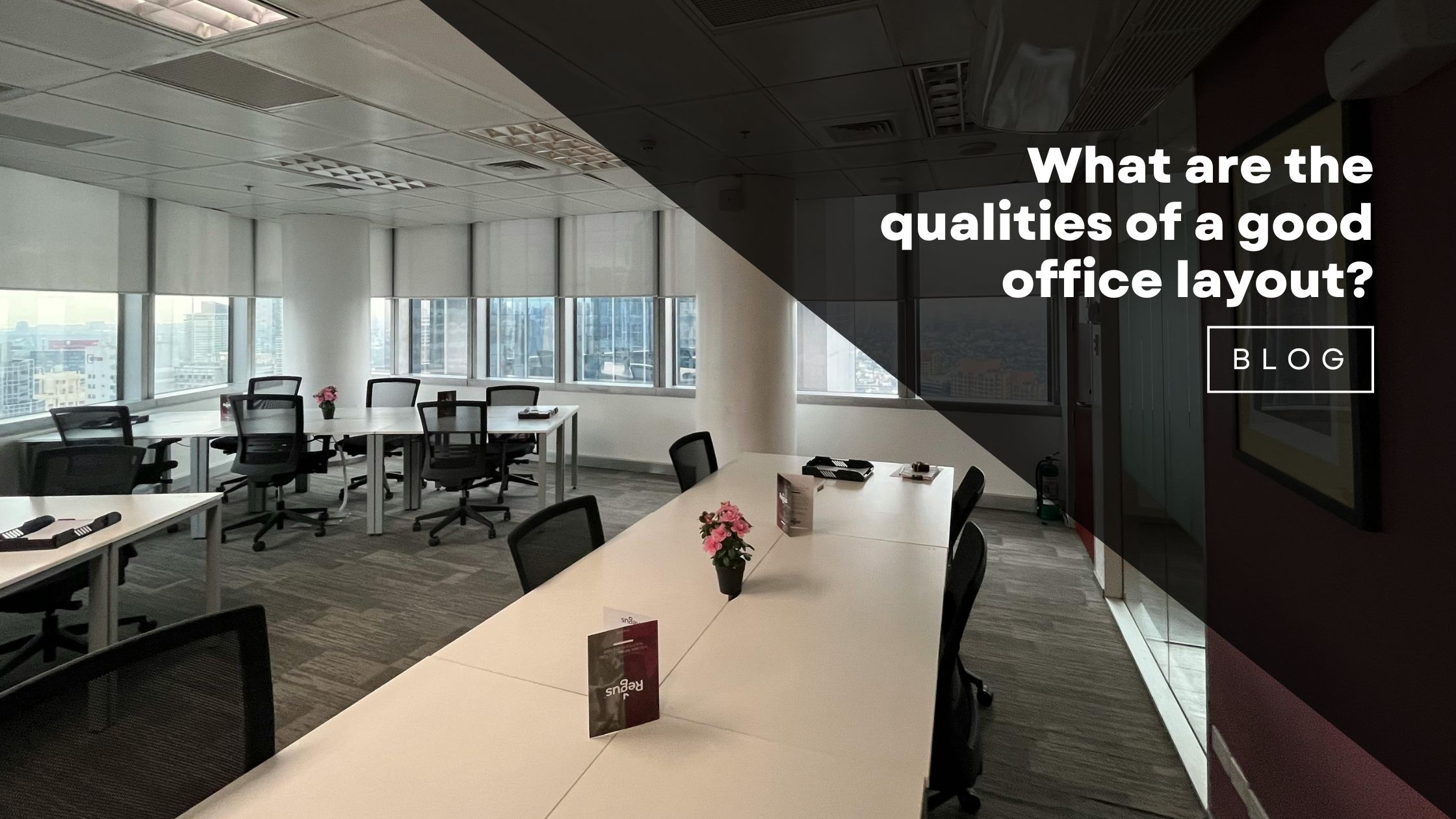
An office layout is more than just the arrangement of furniture and equipment; it is a strategic tool that influences productivity, employee well-being, and company culture. Office interior designers play a crucial role in shaping these environments. As organizations move toward 2026, the definition of a “good” layout has shifted from maximizing desk density to creating an environment that supports diverse work styles.
A well-designed office serves as a catalyst for innovation while providing the comfort of a home-like environment—a trend often referred to as “resimercial” design. Here is a comprehensive look at the essential qualities that define a high-performing office layout.
1. Functional Zoning and Activity-Based Working
The most effective office layouts are those that recognize that one size does not fit all. Activity-Based Working (ABW) is the gold standard for modern design, where the office is divided into zones tailored to specific tasks.
- Focus Zones: Quiet areas or soundproof pods where employees can engage in deep work without distraction.
- Collaboration Zones: Open lounges, huddle rooms, or “war rooms” designed for brainstorming and team meetings.
- Social Zones: Cafeterias and breakrooms that encourage “planned randomness”—spontaneous interactions between departments that often lead to new ideas.
By providing these distinct environments, a layout empowers employees to choose the space that best suits their current objective.
2. Strategic Flow and Navigation
A good layout feels intuitive. When people enter an office, they should understand how to navigate the space without needing a map. This involves clear sightlines and logical pathways.
High-traffic areas, such as the reception and the breakroom, should be easily accessible but positioned so that the movement of people doesn’t disrupt those in focus zones. Wide corridors (typically at least five feet) ensure that the office doesn’t feel cramped, even during peak hours.
3. Biophilic Design and Natural Light
Human beings have an innate connection to nature, and integrating this into the office layout is vital for mental health and productivity.
- Maximizing Natural Light: Desks should be positioned to take advantage of window views, while core services like elevators and restrooms are placed in the center of the floor plate.
- Indoor Greenery: Living walls, potted plants, and indoor gardens do more than just look good; they improve air quality and reduce stress levels.
- Natural Materials: Using wood, stone, and organic textures helps create a grounding, calming atmosphere.
4. Ergonomics and Physical Comfort
If the physical environment causes discomfort, productivity will inevitably drop. Ergonomics must be baked into the layout, not added as an afterthought.
A quality layout accounts for:
- Adjustable Workstations: Including sit-stand desks to encourage movement throughout the day.
- Task Lighting: Supplementing overhead lights with adjustable desk lamps to reduce eye strain.
- Furniture Quality: Investing in chairs with proper lumbar support and adjustable armrests.
5. Acoustic Management
Noise is one of the most common complaints in open-plan offices. A good layout uses a variety of methods to manage sound levels:
- Absorptive Materials: Utilizing acoustic ceiling baffles, wall panels, and heavy carpeting to dampen sound.
- Strategic Placement: Keeping noisy equipment like printers and coffee machines away from workstations.
- Sound Masking: Implementing white noise systems that help blur background conversations, making them less distracting.
6. Flexibility and Scalability
Business needs change rapidly. A static layout is a liability. A superior office design incorporates flexibility through:
- Modular Furniture: Desks and partitions on wheels that can be reconfigured in minutes.
- Multi-Purpose Spaces: A training room that can be converted into a town hall space or a yoga studio.
- Future-Proofing: Planning for growth by ensuring power and data infrastructure can support additional workstations without a total renovation.
7. Technology Integration
In 2026, the physical and digital workplaces are inseparable. A good layout ensures that technology is frictionless:
- Seamless Connectivity: Strong Wi-Fi coverage in every corner, including outdoor terraces and social hubs.
- Smart Meeting Rooms: Integrated AV equipment that supports hybrid meetings, ensuring remote participants feel as present as those in the room.
- Cable Management: Hiding the “spaghetti” of wires behind desks and under floors to maintain a clean, professional aesthetic.
8. Reflecting Company Culture and Identity
The office is a physical manifestation of a brand. Whether the company is a high-energy tech startup or a prestigious law firm, the layout should tell that story.
- Brand Colors and Graphics: Subtle (or bold) use of brand identity in the decor.
- Transparency: Using glass walls for executive offices to signal an open, approachable leadership style.
- Amenities: Including features that reflect company values, such as a dedicated wellness room or a library.
9. Safety and Inclusivity
A layout must be accessible to everyone. This means going beyond basic compliance to ensure true inclusivity:
- Universal Design: Ensuring the office is fully accessible to people with varying physical abilities.
- Neurodiversity: Providing low-sensory environments for employees who may be overwhelmed by the bright lights and noise of a traditional open office.
- Privacy: Including private spaces for nursing mothers, prayer, or personal phone calls.
10. Thermal Comfort and Air Quality
Often overlooked because they are invisible, temperature and air quality are fundamental to a good layout.
- Zoned Climate Control: Allowing different areas of the office to have different temperature settings.
- Ventilation: Ensuring a high rate of fresh air exchange to prevent the “afternoon slump” caused by CO2 buildup.
A good office layout is a delicate balance of science and art. Office interior designers understand that it requires a deep insight into how people work, move, and interact. By focusing on zoning, flexibility, biophilia, and ergonomics, they help businesses create spaces that not only look impressive but also serve as high-performance engines for their most valuable asset: their people.
Whether you are designing a boutique studio or a sprawling corporate headquarters, these ten qualities serve as the foundation for a workspace that is ready for the challenges of the future.