
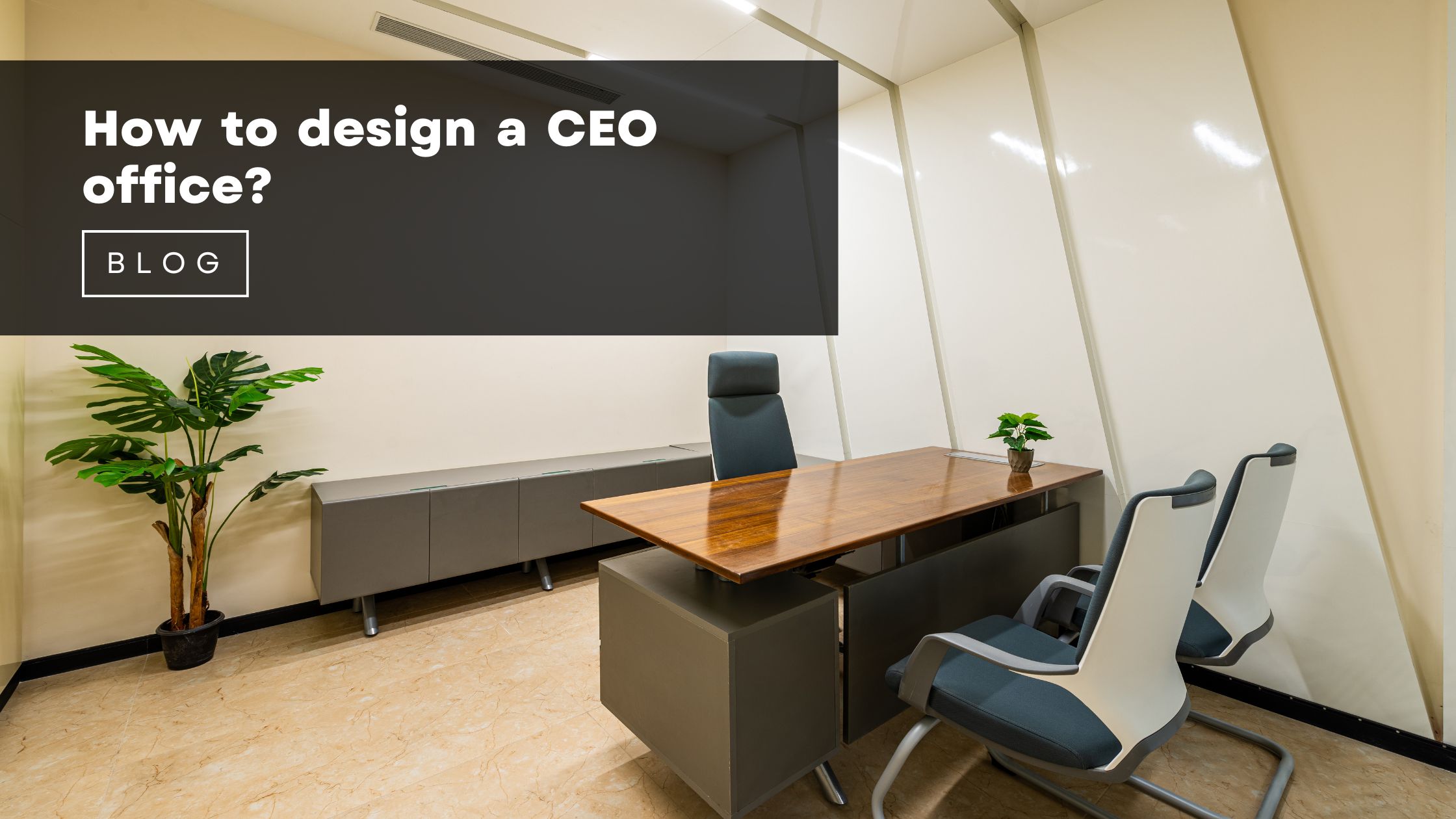
The Chief Executive Officer’s office is far more than just a place to sign documents and answer emails. It is a strategic asset. It serves as a visual manifestation of a company’s values, a high-stakes war room for critical decision-making, and a sanctuary for deep, focused thinking.
When designing a CEO office, the challenge lies in balancing dualities. The space must command authority, yet feel welcoming. It must look forward-thinking, yet remain deeply rooted in the company’s identity. It must facilitate intense collaboration while offering absolute privacy.
Whether you are an office interior designer tasked with creating a executive suite or a newly appointed CEO looking to shape your workspace, this comprehensive guide breaks down the essential elements of executive office design.
1. Zoning the Office: The Three-Tier Layout
A modern CEO’s day is incredibly varied. One hour is spent analyzing financial spreadsheets alone; the next involves a sensitive HR discussion, followed by a press interview or a board huddle. To accommodate these shifts seamlessly, a well-designed executive office should be divided into three distinct functional zones.
A. The Focus Zone (The Anchor)
This is the traditional heart of the office, featuring the main desk and executive chair. It should be positioned to command the room—ideally utilizing the architectural “power position” (facing the door, but not directly in line with it, backed by a solid wall or a controlled view).
B. The Collaborative Zone (The Hub)
CEOs rarely work in isolation. Instead of forcing visitors to sit formally across a massive desk—which can create an adversarial dynamic—create a dedicated meeting space. Depending on the office size, this could be:
- A small round conference table for 4–6 people.
- A pair of high-end club chairs with a sleek coffee table for informal chats.
C. The Sanctuary Zone (The Oasis)
The cognitive load on a CEO is immense. A sanctuary zone provides a space to decompress, think, or read. This area might feature a comfortable lounge chair, a small library wall, a hydration station, or even a hidden wellness area (like a yoga mat or a meditation cushion) behind a discreet panel.
2. Furniture Selection: The Fusion of Ergonomics and Prestige
Every piece of furniture in a CEO office whispers a story about the brand. Cheap, mass-produced items signal a lack of longevity, while overly opulent, gold-leafed furniture can scream disconnected extravagance. The goal is understated luxury and ergonomic excellence.
The Executive Desk
The desk is the focal point. Modern design leans toward clean lines and floating profiles. Materials like walnut, oak, matte marble, or back-painted glass convey sophistication. Crucially, the desk must feature integrated cable management. Nothing destroys a premium aesthetic faster than a rat’s nest of wires trailing from a computer.
Seating That Commands and Supports
The CEO’s chair must offer top-tier ergonomic support to sustain long hours of cognitive labor. Look for premium brands that blend mechanical perfection with high-end finishes (think polished aluminum frames combined with fine leather or advanced architectural mesh).
For guest seating, choose chairs that are comfortable but sit slightly lower than the CEO’s chair to subtly maintain the room’s hierarchy, without making guests feel diminished.
3. Lighting Architecture: Setting the Cognitive Tone
Lighting deeply impacts mood, energy levels, and decision-making. A CEO office requires a layered lighting strategy that shifts dynamically throughout the day.
Maximize Natural Light
Natural light reduces eye strain and boosts mood. The desk should be positioned to leverage natural light without causing glare on screens. Implement motorized, programmable window shears that automatically adjust based on the sun’s position.
Layered Artificial Light
Avoid harsh, uniform overhead commercial lighting. Instead, use a mix of three layers:
- Ambient: Soft, recessed architectural LEDs or a sculptural pendant light that sets a warm, inviting tone.
- Task: An iconic designer desk lamp that provides focused light for reading and writing.
- Accent: Low-voltage spotlights highlighting artwork, or warm LED strip lighting integrated into bookshelves to add depth and drama.
4. Technology Integration: Frictionless and Invisible
A modern CEO office must be a technological powerhouse, but the technology should be felt, not seen. The goal is frictionless interaction.
- The Hidden Screen: Televisions or presentation monitors used for reviewing data can be mounted behind motorized art panels or custom cabinetry, sliding into view only when activated.
- Acoustic Isolation: High-stakes conversations require absolute confidentiality. Double-glazed acoustic glass walls, acoustic drywall, dropped ceilings with high NRC (Noise Reduction Coefficient) ratings, and solid-core doors with automatic drop-seals are non-negotiable.
- Sound Masking: Consider installing subtle commercial sound-masking systems (white/pink noise generators) right outside the office suite to ensure private conversations remain truly private.
- Integrated Controls: A centralized smart-automation panel (or a dedicated tablet) should give the CEO instantaneous control over lighting presets, window shades, room temperature, and AV equipment without leaving their seat.
5. Materiality, Color, and the Psychology of Color
The color palette and material selection should be deeply aligned with the company’s industry and the leader’s personal brand.
Industry-Specific Aesthetics
- Finance, Law, and Heritage Brands: Lean into deep, grounding tones. Rich walnuts, dark oaks, classic leather, brushed brass, and a palette of navy blues, charcoal greys, and forest greens evoke stability, trust, and history.
- Tech, Creative, and Venture Capital: Opt for lighter, agile aesthetics. White oaks, polished concrete, glass, matte black steel, and a neutral palette punctuated by vibrant, energetic brand colors invoke innovation, transparency, and speed.
Regardless of the industry, introduce biophilic design—the integration of nature into human spaces. A large, well-curated indoor plant (like a Fiddle Leaf Fig or a sleek Snake Plant) or a living green wall purifies the air and provides a calming, organic counterweight to digital screens and corporate pressure.
6. Personalization vs. Corporate Identity
An executive office shouldn’t look like a sterile page out of a furniture catalog, nor should it look like a chaotic personal basement. It requires a curated balance of personal history and corporate narrative.
The Golden Rule of Executive Decor: “Curate, don’t clutter. Every object in the room should either tell a story of where the company is going, or anchor the leader to why they started.”
What to Include:
- Curated Art: Invest in large-scale, original artwork rather than generic prints. Art provokes creative thinking and serves as an excellent icebreaker for high-profile visitors.
- Subtle Trophies: Patent awards, historic company photos, or a small display of the company’s core product line can be beautifully integrated into custom shelving.
- Selective Personal Artifacts: A few framed family photos or a piece of memorabilia from a significant life milestone add humanity and warmth.
What to Avoid:
- An excess of knick-knacks or cluttered shelves.
- Overwhelming displays of personal wealth or political/religious symbols that might alienate diverse stakeholders.
- Outdated physical filing cabinets (digitize files to reclaim physical and visual space).
7. The Psychology of the Entryway
First impressions are formed within seconds of crossing the threshold. The entrance to the CEO’s office should act as a psychological transition zone.
If space permits, an anteroom or a dedicated executive assistant (EA) station should precede the main office. This layout acts as a protective buffer, filtering interruptions and preparing visitors for the shift in environment. The doorway itself should feel substantial—often designed with oversized pivot doors or premium hardware to signify the transition into a space of leadership.
The Office as a Catalyst
Designing a CEO office is an exercise in strategic alignment. It is not merely about choosing expensive furniture or enjoying a premium view; it is about creating an environment that optimizes cognitive performance, protects mental well-being, and visually communicates the mission of the enterprise.
By thoughtfully zoning the space, prioritizing ergonomics, hiding technology, and curating an atmosphere of quiet confidence, you create more than just an office—you build a catalyst for leadership success. When the physical environment functions flawlessly, the mind is entirely free to focus on what matters most: steering the company confidently into the future.