
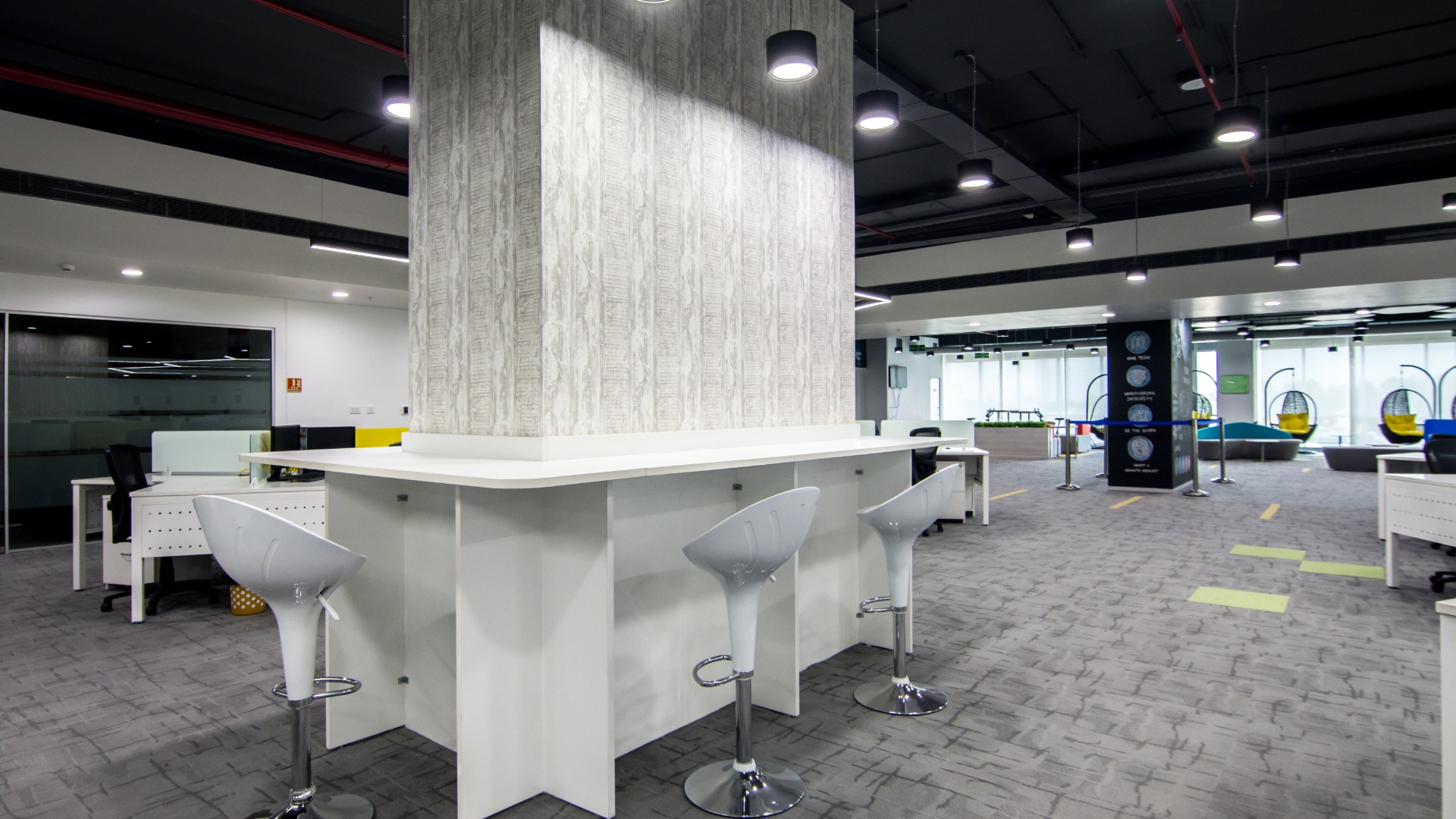
The glossy pages of the portfolio promised a sleek corporate sanctuary in Bengaluru’s prime business district. During our early days of vetting commercial contractors Bangalore, we quickly learned that relying on visual marketing packages is a dangerous gamble. We caught one bidding builder passing off digital renders from an international design archive as their own completed work.
This discovery shook our confidence and forced us to rewrite our entire procurement playbook. We realized we needed hands-on verification to protect our capital. Out went the blind trust, and in came a strict double-check policy.
That heavy skepticism paid off when we successfully delivered our fifty-thousand square foot tech hub right on schedule. This is the exact playbook we used to see through polished sales pitches and find builders who actually deliver. These steps will protect your hard-earned capital and keep your next physical office build on solid ground.
The Illusion of the Perfect PDF Portfolio
The commercial real estate market in Karnataka is growing at a frantic pace, drawing in hundreds of fresh builders. This gold rush allows inexperienced firms to hide their lack of skill behind gorgeous digital brochures. We learned the hard way that many of these catalogs show off borrowed images from global design sites or fictional concepts that were never built.
To survive this, we made it a rule to physically visit every single address listed in a builder’s credentials. We cross-referenced their project lists with official tenant directories in major hubs like Manyata Tech Park and Bagmane Constellation Business Park. This quick administrative sanity check weeded out several firms who took credit for projects they had only bid on but never built.
We also trained our eyes to spot generic stock photography, like European pine forests in a project supposedly built in Bengaluru. Real, honest work leaves a trail of raw, unedited progress photos from active job sites. Recognizing this saved us from signing a contract with a firm that was brilliant at graphic design but useless with concrete and steel.
Decoding the Office Fit-Out Case Studies
A genuine case study tells a story of survival and problem-solving, not just a gallery of pretty final photos. When we dig into office fit-out case studies Bangalore, we focus on how the builder handled real-world site delays. Any contractor claiming they finished a massive project without a single material shortage or municipal hiccup is lying.
Real skill shows when things go wrong, like monsoon labor shortages or sudden design changes. We now demand that bidding contractors hand over their raw weekly progress logs alongside their shiny final case studies. These messy, day-to-day journals show how they actually got from a dusty, empty concrete shell to a finished workspace.
We also dig for boring technical details that are hard to fake. A real report details things like air conditioning integration, soundproofing metrics for meeting rooms, and local electrical load filings. This technical depth separates serious commercial specialists from residential decorators who are in over their heads.
The Anatomy of a Commercial Contractor Reference Check
Our team once made the classic mistake of only calling the glowing references supplied by the bidder. Naturally, those hand-picked contacts offered nothing but rehearsed praise and vague compliments. We learned that finding the truth requires digging deep into our own industry networks.
We started tracking down facilities managers on LinkedIn who worked at the same client companies but were not on the official reference sheet. These off-the-record chats gave us raw feedback on daily site cleanups, safety issues, and punch-list repairs. Hearing from the actual people who lived through the noise and dust changed our opinions on several key bidders.
We built a simple, cold scorecard to keep these phone calls objective. We scored each builder on bill clarity, material quality, and how they treated their labor force. This analytical approach kept our decisions grounded in facts rather than charm.
The Financial Verification Audit
We also learned that beautiful design talent is useless if a builder goes broke halfway through the job. We watched a competitor’s office site sit frozen for months because their builder could not pay local cable and steel suppliers. That nightmare convinced us to add a deep financial audit to our vetting process.
We now demand audited tax filings and bank letters to verify their liquid cash reserves. Strong cash flow ensures the builder can buy materials in bulk and keep the work moving during dry billing cycles. This financial cushion prevents sudden labor strikes and supply freezes on your site.
Reviewing these books lets us verify their actual bonding capacity and insurance limits. We double-check that they carry enough third-party liability coverage to handle any major accidents on site. This financial screen acts as our shield against catastrophic project failures.
Navigating Local Regulatory Approvals in Karnataka
A gorgeous office interior is useless if municipal inspectors lock the front doors. Navigating the bureaucracy in Bengaluru requires endless patience and coordination with several local departments. Our vetting process now looks closely at a contractor’s track record with local permits.
We check that the builder has secured permanent BESCOM power connections and Fire No Objection Certificates (NOC) on their past three jobs. This history proves they know exactly what paperwork the Bangalore Water Supply and Sewerage Board actually wants. Hiring someone with this local know-how prevents agonizing delays right when you are ready to move in.
We favor builders who keep dedicated compliance experts on their payroll. These specialists monitor shifting municipal bylaws and keep the site compliant from day one. This early vigilance saves us from expensive structural changes and legal headaches down the road.
The Evaluation Framework
Applying a simple scoring system took the guesswork and bias out of our board decisions. The table below shows the exact operational areas we grade before signing any contract. This score sheet ensures that safety, legal compliance, and financial health are placed right alongside design quality.
| Evaluation Metrics | How We Verify | What We Avoid |
|---|---|---|
| On-Site Safety Record | Read official Indian Standard (IS 3786) occupational incident logs and site audit reports. | Sudden work stops from injuries, fines, or labor disputes. |
| Financial Stability | Check bank letters and three years of audited tax files. | A builder going bust mid-project and abandoning the site. |
| Material Sources | Trace supply invoices back to the factory floor. | Cheap, fake electrical wires, leaky pipes, or weak drywall. |
| Local Permits | Verify BBMP, BESCOM, and KSFES (Fire Department) clearances. | Massive municipal fines and delayed move-in dates. |
This strict scoring system changed our focus from cheap bids to reliable partners. We discovered that builders who score high on safety and paperwork consistently have fewer budget surprises. Spending time on this boring detective work is what guarantees a smooth move into your new office.
On-Site Tactics for Vetting Commercial Contractors Bangalore
Our vetting process grew up when we started making unannounced visits to active construction sites. We skipped the fancy, air-conditioned corporate offices and drove straight to active builds in Whitefield and Electronic City. Watching a manager handle a noisy, chaotic job site tells you more than any board meeting ever could.
During these surprise visits, we watched how materials were stacked and whether workers wore safety gear. An organized site with clear areas for trash and bricks shows a crew that values speed and safety. A messy, chaotic layout with idle workers is an immediate warning sign of future delays.
We also poked around the on-site storage sheds to inspect the raw materials. We checked if the actual copper wires, drywall, and air ducts matched the high-end brands promised in the contract. This quick hands-on check stopped the common trick of swapping premium brands for cheap substitutes.
Using Local Ecosystem Knowledge
The commercial construction market in Karnataka has its own weird, local challenges. From labor pools disappearing during monsoon harvesting to strict zoning by the Bangalore Development Authority, local knowledge is essential. The finest interior builders in the city know these rhythms and build their schedules around them.
When vetting commercial contractors Bangalore, we always look closely at how they treat their subcontractors. A builder relying solely on day laborers will struggle to maintain consistent quality on a massive project. We look for teams that keep long-term relationships with trusted plumbing and electrical crews.
These lasting bonds ensure that essential tasks like high-voltage wiring and fire sprinkler systems are handled by actual experts. A reputable builder will happily share the credentials of their main subcontractors right away. This openness builds trust and guarantees that your building meets national safety codes.
The Final Verification Checklists
To help other corporate teams navigate this complicated process, we put our steps into simple, practical lists. These sheets cover paperwork, reference calls, and site visits so you do not miss a single detail. Using these tools will keep your bidding process organized and protect your hard-earned budget.
Our paperwork list focuses on legal and money compliance to save your firm from regulatory headaches. Gathering these files before the bidding starts filters out weak builders early.
- Get a certified list of active and finished project addresses in Bengaluru.
- Demand audited tax records showing stable debt levels.
- Check valid registrations for GST, ESIC, and employee provident fund files.
- Ask for original factory test certificates for fire-rated walls and soundproofing.
The reference check must focus on how the builder actually behaved on site, not their glossy brochures. Talk directly to past clients to get an honest view of what it is like to work with them.
- Ask how well they stuck to the original budget and how often they demanded extra cash.
- Confirm if they actually handed over the keys on time and how they fixed final defects.
- Rate the direct communication and behavior of the on-site managers.
- Check how fast they returned to fix problems after the hand-off.
A physical site visit tells you the truth about a builder’s daily discipline and materials. This active step makes sure the builder’s crew keeps standards high when no one is watching.
- Look for clear sorting of trash and hazardous materials on the site.
- Ensure every single laborer is wearing safety boots, vests, and helmets.
- Check where they store sensitive materials like plasterboard and wood flooring.
- Examine the quality of brick joints and concrete finishes with your own eyes.
Final Thoughts on Building Right
When vetting commercial contractors Bangalore, you have to look past the glossy portfolios and look at real-world data. Success depends on physical visits, blind reference checks, and checking raw materials. Taking these hard steps now will save your company from massive delays and cheap builds later.
Using this vetting blueprint turned our office search from a game of roulette into a reliable process. This deep digging ensures your new workspace gets finished on time, on budget, and to the standard you expect. Teaming up with a verified builder is the only way to build a strong physical foundation for your company’s growth.