
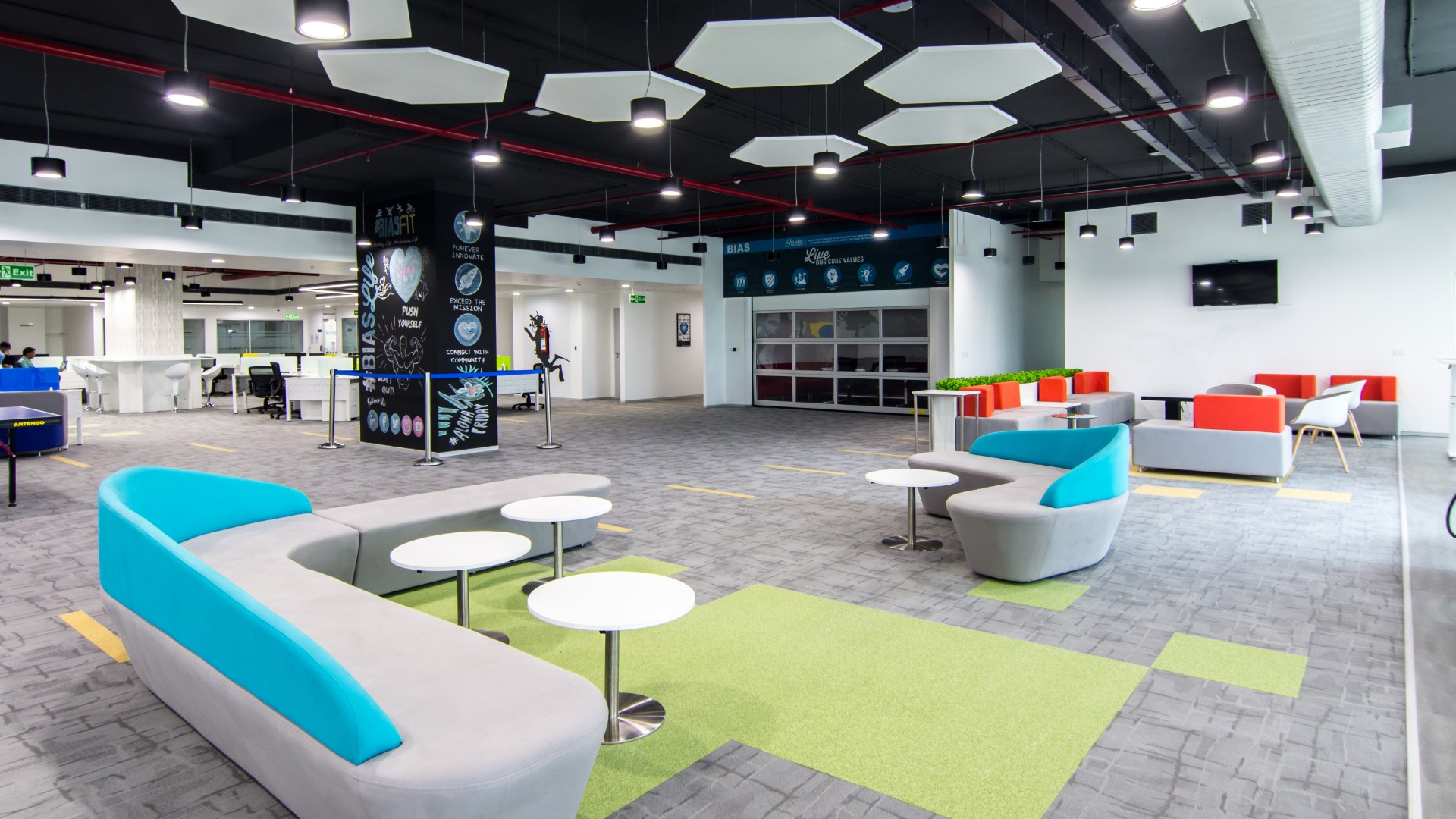
Growing your business in Chennai means stepping onto a grand stage. In 2026, this growth draws enterprises directly to the towering glass horizons of Old Mahabalipuram Road or the dense commercial heartbeat of Guindy. It is a bold leap forward.
Turning these empty, echoing shells into humming corporate workspaces demands absolute precision and deep local knowledge.
Steering this journey successfully requires a map. Project leaders must follow the office fit out guidelines OMR Chennai building managers enforce to prevent expensive, grinding delays.
Cracking these local rules is like solving a high-stakes puzzle. Across town, managing Guindy office interior logistics demands an intimate knowledge of narrow roads, tight traffic hours, and old architectural limits.
Successful teams balance these two distinct realities to protect their budgets and timelines.
We built this guide from real-world experience. Behind these words are years of dust, sweat, and successful handovers in Chennai’s busiest business districts.
We mapped the hidden traps and physical obstacles so your team can handle the move without a scratch.
Navigating Rules in Chennai’s Tech Parks
Our early days on the IT corridor taught us a hard truth. Ordinary construction calendars simply do not work inside these modern towers.
We once stood in an OMR lobby clutching a massive stack of blueprints that a building manager had just flatly rejected. The problem was not the look of the space, but a tiny misalignment in the fire sprinkler layout.
Every top-tier tech park here runs like an independent kingdom. Landlords watch over structural health, power usage, and safety like hawks.
Your design team must match their artistic dreams with strict green certifications and safety codes right from the start.
Paperwork is the gatekeeper. Before a single hammer swings, you have to hand over exact electrical load charts, air duct paths, and floor weight plans.
A slow start on these filings can push your opening date back by a month, eating up your cash.
Chennai’s tropical heat makes cooling a serious science. Most tall towers along the expressway use giant, shared chilled-water loops to keep things cold.
Hooking your private air network to this system requires specialized air handling units, pressure-independent control valves, and calibrated BTU meters.
During one project, our air layout failed to match the main valves of the building. Engineers shut down our work instantly to protect the air pressure on other floors.
That day we learned that meeting mechanical limits is just as vital as picking the perfect wall colors.
Now, we run pressure tests before we even think about sealing the ducts.
We send the results straight to the building engineers for a quick check. This extra step keeps our cooling systems running smoothly without rattling the building’s main systems.
We spent three full days tuning air sensors to match the building’s central Building Management System (BMS). These high-tech towers run on automated nerve systems.
A single pressure mistake triggers silent alarms in the control room and brings your site to a sudden halt.
Getting extra power allocation for the server backups meant dealing directly with TANGEDCO.
We had to file stamped wiring schematics and certified load tests signed by a licensed engineer. Clearing this hurdle early saved us from dark screens during the final launch.
The Stark Contrast of Guindy Interior Logistics
Guindy is a whole different beast compared to the airy stretches of OMR. Where OMR has wide service bays, Guindy offers narrow streets and old, tight buildings.
Handling Guindy office interior logistics means battling dense urban traffic, aging service entries, and tight city rules.
| Logistical Focus | OMR Tech Corridors | Guindy Commercial Hub |
|---|---|---|
| Access and Roads | Sprawling sites with wide roads and dedicated off-load bays. | Tight urban streets with historic, narrow lanes. |
| Delivery Schedules | Flexible hours but requires booking two days ahead with building staff. | Tight city rules; heavy trucks can only enter between midnight and dawn. |
| Lift and Dock Limits | Large cargo elevators and roomy loading areas. | Small lift cages; requires physical measurements before buying furniture. |
| Debris Handling | Shared disposal systems run by the park staff. | Strict city rules; requires sorting in basements and hauling at night. |
On a project near the old Guindy industrial zone, we had to move thick glass walls and heavy desks into place. Big delivery trucks cannot enter the area during daylight hours without causing total gridlock.
We had to run our entire supply run between midnight and five in the morning.
Guindy’s older buildings have tiny lift shafts and cramped docks. We had to use tape measures on every single elevator door to make sure our long meeting tables would fit.
This quick step is a lifesaver when choosing pieces for tech park office interiors Chennai projects.
Getting rid of trash in Guindy is another headache. The Greater Chennai Corporation (GCC) hands out steep fines if they catch you dumping construction debris near public spaces.
You need a solid plan for every bag of waste.
We set up a sorting station deep in the basement of our Guindy site. Every scrap of drywall went into thick sacks to keep dust from drifting into the street.
We hired authorized waste-disposal trucks to haul the bags away during the night window. Keeping the site clean kept us on good terms with the Greater Chennai Corporation inspectors and our neighbors.
Surviving DLF Cybercity Rules and Safety Inspections
Building inside premium properties means playing by very strict rules. Looking at the DLF Cybercity fit out rules, we found some of the tightest safety measures in the state.
These rules exist to protect thousands of office workers sharing your walls and ceilings.
Every carpet tile, wall panel, and ceiling board must resist fire.
You cannot bring them past the gate without showing official fire-retardant test certificates (such as ASTM or BS standards).
We kept all these documents on our phones to clear security checks without losing precious hours.
Any task involving sparks, like welding or cutting metal, requires a hot-work permit every single day. A dedicated safety officer must stand right next to the worker with fire extinguishers ready.
Staying on top of these permits keeps the work flowing without sudden halts.
People always underestimate the sheer amount of paperwork in these tech parks. Security guards check shipments with intense focus.
Every box of screws or roll of copper wire must be logged at the gate before it enters.
Our coordinators spent long nights typing out exact inventory lists for every truck. If a driver arrived with one unlisted box, security turned the whole truck away.
This strict gatekeeping keeps the campus secure, but it demands absolute accuracy from your team.
Getting your gear out is just as hard as getting it in. Taking back your ladders and tools requires an exit pass signed by three different managers.
Building these steps into your schedule avoids painful delays when you are trying to pack up.
We also had to deal with strict rules for floor polishes and paints. These items must sit in fireproof cabinets and can only enter in tiny batches.
Our team inspected the storage areas weekly to make sure no subcontractor was hoarding chemicals.
We ran heavy air scrubbers day and night during the painting phase.
These machines pulled chemical smells and dust out of the air before they could reach neighboring offices. The building managers loved this, and we now do it on every single job.
Mastering the Rules on OMR for a Smooth Handover
Coordinating dozens of suppliers is like conducting a loud, chaotic orchestra. Your master timeline must respect the office fit out guidelines OMR Chennai landlords enforce to avoid costly restarts.
You have to map out driver permits, truck size limits, and midnight off-loading slots before you buy a single desk.
We built a simple logistics system that stopped loading dock bottlenecks. It kept our suppliers in line and stopped truck pile-ups on the ramps.
This method relies on exact timing, pre-approved gate passes, and a dedicated team member on the dock.
You must register every delivery truck forty-eight hours before it arrives. Upload the driver’s license, plate number, and invoice to the landlord’s portal. This routine keeps things moving smoothly at the gates:
- Send driver and truck details to the gate system two days before they arrive.
- Bring in all heavy materials during the night shift from ten in the evening to six in the morning.
- Keep a supervisor at the dock to check items and send them straight up the elevators.
- Make sure every worker wears safety boots, bright vests, and hard hats.
Getting Materials Approved Under Tech Park Codes
Picking materials for a crowded office is about far more than just picking pretty colors. Tech park office interiors Chennai codes require materials that preserve indoor air quality and meet green building standards.
Many landlords require Low-VOC certificates and green building compliance documents before you can install them.
We switched to low-VOC paints and non-toxic adhesives on our recent builds.
This was not about looking good on paper, but about passing the mandatory air quality tests before moving day. Choosing clean materials keeps your team healthy and speeds up your occupancy permits.
Noise control is another major focus for tech park inspectors. Open floor plans require thick ceiling tiles and fabric wall panels to absorb the chatter of hundreds of workers.
We look for panels with high noise reduction ratings to keep the workspace quiet and focused.
High-rise rules demand thick walls around server rooms and power hubs.
These spaces need fire-rated partitions and doors certified to withstand flames for at least two hours.
This simple design step keeps a small electrical fire from burning down the entire office.
We install heavy, certified fire doors equipped with heat-sensitive seals that expand to block toxic smoke. Passing these inspections is an absolute requirement to get the green light from the Tamil Nadu Fire and Rescue Services (TNFRS).
Skimping here only leads to failed inspections and delayed openings.
Glass walls in meeting rooms must use thick, tempered safety glass.
We use twelve-millimeter toughened panes with smooth, polished edges to keep people safe. This extra care protects your staff and keeps your office fully compliant with local safety laws.
- Use low-VOC paints and non-toxic adhesives to meet indoor air quality standards.
- Pick sound-absorbing ceiling tiles to keep noise down in open office spaces.
- Make sure metal frames have rust-proof coatings to survive Chennai’s humid sea air.
- Put in smart LED lights that connect directly to the building’s central control system.
Your Blueprint for a Hassle-Free Move
We gathered our years of experience into a simple, reliable list. This guide helps your project meet every single rule that building managers use to judge new spaces.
Checking off these items in order will save your business cash and endless hours of paperwork.
The final step of any build is getting the keys and the official occupancy permit.
You will walk the site with the building engineers to test alarms, exit signs, electrical grounding, and plumbing. Having your paperwork and final drawings ready makes this final walkthrough quick and painless.
- Scan the empty space to map out pipes, pillars, and floor weight limits.
- Get stamped approvals on all electrical, plumbing, and safety layouts from the building engineer.
- Set up a clean trash plan to sort and haul debris to official yards.
- Test and run all cooling, electrical, and sprinkler systems with the building manager watching.
- Hand over the final drawings and equipment receipts to get your keys.
Final Thoughts for Your Office Launch
Building a new workspace in Chennai’s top parks requires balancing great design with tight logistics. Knowing how OMR differs from Guindy saves you from expensive mistakes and helps you build a space where people love to work.
The road is long and full of rules, but the right preparation makes the journey smooth.
Talk to the building managers early to lock in your permits. Plan your deliveries around the city’s traffic laws to keep your schedule on track.
Choose safe, eco-friendly materials that meet local building codes. These steps will make sure your new office opens on time, stays within your budget, and complies with every local law.