
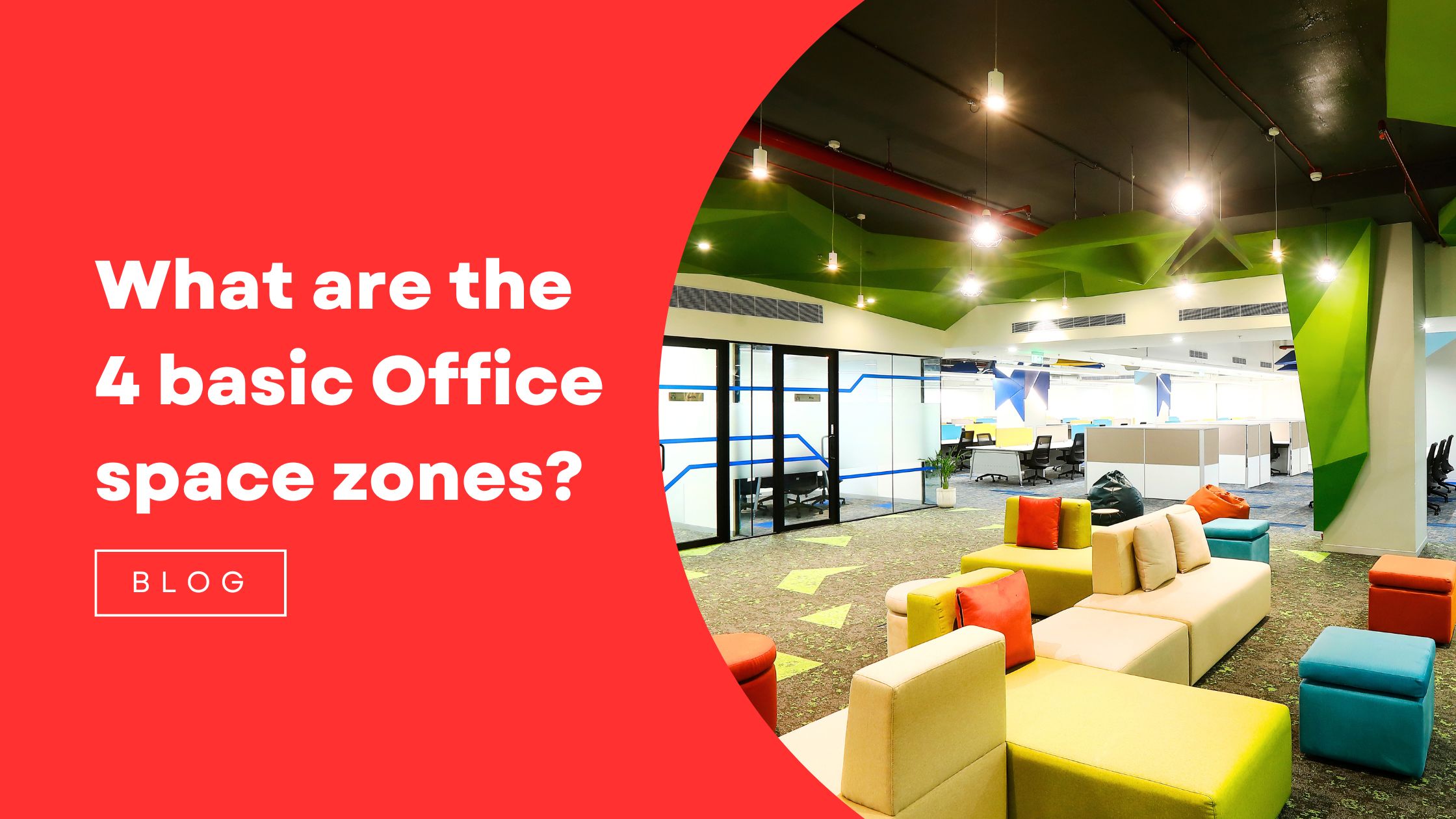
The traditional image of an office—rows of identical cubicles, hushed whispers, and the pervasive hum of fluorescent lights—is rapidly becoming a relic of the past. As our understanding of productivity, collaboration, and employee well-being evolves, so too does office interior design and the way we plan workspaces. Modern office design isn’t just about aesthetics; it’s about strategically creating environments that support diverse work styles and foster a thriving culture. And at the heart of this revolution lies the concept of office space zones.
Forget the one-size-fits-all approach. Today’s most effective offices are thoughtfully segmented into distinct zones, each designed to facilitate a specific type of work or interaction. By understanding and implementing these four basic office space zones, businesses can unlock greater efficiency, enhance employee satisfaction, and ultimately, drive innovation.
1. The Focus Zone: Where Deep Work Happens
In an increasingly open-plan world, the ability to concentrate deeply and undistracted is a precious commodity. The focus zone is specifically designed to provide a haven for “deep work” – tasks that require sustained concentration, critical thinking, and minimal interruptions. Think coding, writing complex reports, detailed analysis, or creative problem-solving.
Characteristics of a successful Focus Zone:
- Minimizing Distractions: This is paramount. Think soundproofing, high-backed chairs, and visual barriers. Noise-canceling headphones are often encouraged, and conversations are typically kept to a whisper or avoided entirely.
- Individual Workstations: While not necessarily traditional cubicles, these are individual spaces optimized for one person. They might be private offices, enclosed pods, or ergonomic desks strategically placed to minimize visual interference.
- Ergonomics and Comfort: Since employees will be spending extended periods here, comfortable and adjustable furniture is essential to prevent strain and maintain focus.
- Reduced Foot Traffic: Focus zones are ideally located in quieter areas of the office, away from high-traffic pathways and communal areas.
- “Do Not Disturb” Etiquette: A clear understanding of the purpose of this zone and a respect for its quiet nature are crucial for its effectiveness.
Why it’s essential: Without dedicated focus zones, employees constantly battle distractions, leading to fragmented work, decreased productivity, and increased stress. Providing a sanctuary for deep work empowers individuals to tackle complex tasks efficiently and produce high-quality output.
2. The Collaboration Zone: Sparking Synergy and Innovation
While focus is vital, so is the exchange of ideas and collective problem-solving. The collaboration zone is the antithesis of the focus zone, designed to facilitate interaction, teamwork, and the free flow of communication. This is where brainstorming happens, projects are discussed, and ideas are built upon.
Characteristics of a successful Collaboration Zone:
- Variety of Meeting Spaces: From small huddle rooms for quick discussions to larger conference rooms equipped with advanced technology for presentations and workshops, variety is key.
- Flexible Furniture: Modular seating, whiteboards on wheels, and easily reconfigurable tables allow teams to adapt the space to their specific needs.
- Technology Integration: Large screens for presentations, video conferencing capabilities, and easy access to charging points are crucial for seamless collaboration.
- Comfortable and Inviting: Casual seating, soft furnishings, and a more relaxed atmosphere encourage open communication and creative thinking.
- Acoustic Considerations: While designed for communication, some acoustic treatment can prevent sound from bleeding into other zones and ensure conversations remain private when needed.
- Open and Accessible: Collaboration zones should be easily accessible to all employees, encouraging spontaneous interactions.
Why it’s essential: Collaboration fuels innovation. By providing dedicated spaces that encourage interaction, businesses can break down silos, foster a sense of community, and enable teams to work together effectively, leading to more creative solutions and stronger results.
3. The Social Zone: Building Culture and Fostering Well-being
Beyond work-related tasks, the office plays a crucial role in building company culture, fostering camaraderie, and supporting employee well-being. The social zone is where informal interactions happen, where colleagues connect on a personal level, and where employees can take a much-needed break from their screens.
Characteristics of a successful Social Zone:
- Kitchen/Cafeteria Area: A well-equipped kitchen with comfortable seating, good coffee, and healthy snacks encourages employees to take proper breaks and interact.
- Lounge Areas: Comfortable sofas, armchairs, and perhaps even games (ping-pong, foosball, board games) provide opportunities for relaxation and informal bonding.
- Outdoor Spaces: If possible, access to patios, balconies, or green spaces can offer a refreshing change of scenery and boost morale.
- Flexible Seating: A mix of high-top tables, lounge chairs, and booths caters to different preferences for social interaction.
- Designated Break Areas: Clearly defined spaces where work is explicitly not the focus, allowing employees to fully decompress.
Why it’s essential: A strong company culture is built on relationships. Social zones provide the informal spaces necessary for employees to connect, build rapport, and feel a sense of belonging. These interactions can improve morale, reduce stress, and even spark unexpected creative ideas. Furthermore, dedicated break areas are vital for preventing burnout and promoting overall well-being.
4. The Learning & Development Zone: Cultivating Growth and Knowledge
In today’s rapidly evolving world, continuous learning is not just a benefit; it’s a necessity. The learning and development zone is dedicated to empowering employees to acquire new skills, share knowledge, and grow professionally. This zone supports formal training, informal mentoring, and self-directed learning.
Characteristics of a successful Learning & Development Zone:
- Training Rooms: Equipped with projectors, whiteboards, and adaptable seating arrangements for workshops, seminars, and presentations.
- Resource Libraries: A quiet area with access to books, industry publications, online learning platforms, and digital resources.
- Mentorship Nooks: Smaller, comfortable spaces that facilitate one-on-one discussions between mentors and mentees.
- Quiet Study Areas: Similar to focus zones but specifically for educational purposes, allowing individuals to read, watch tutorials, or complete online courses without interruption.
- Tech-Enabled Spaces: Access to computers, high-speed internet, and specialized software required for learning and skill development.
- Knowledge Sharing Hubs: Spaces designed to encourage internal knowledge sharing, perhaps through informal “lunch and learns” or dedicated presentation areas.
Why it’s essential: Investing in employee growth is an investment in the company’s future. A dedicated learning and development zone signals a commitment to professional advancement, helps retain top talent, and ensures the workforce remains adaptable and skilled in a dynamic market.
The Dynamic Office of Tomorrow
The modern office is no longer a static container for work; it’s a dynamic ecosystem designed to support the multifaceted needs of its inhabitants. By thoughtfully integrating these four essential zones—Focus, Collaboration, Social, and Learning & Development—businesses can create a workspace that isn’t just functional, but truly transformative. Such an office empowers employees to excel, fosters a vibrant culture, and positions the organization for sustained success in the future. The era of the one-size-fits-all office is over; the future belongs to the intelligently zoned workspace.