
The Evolution of Workspace Design Trends in Chennai
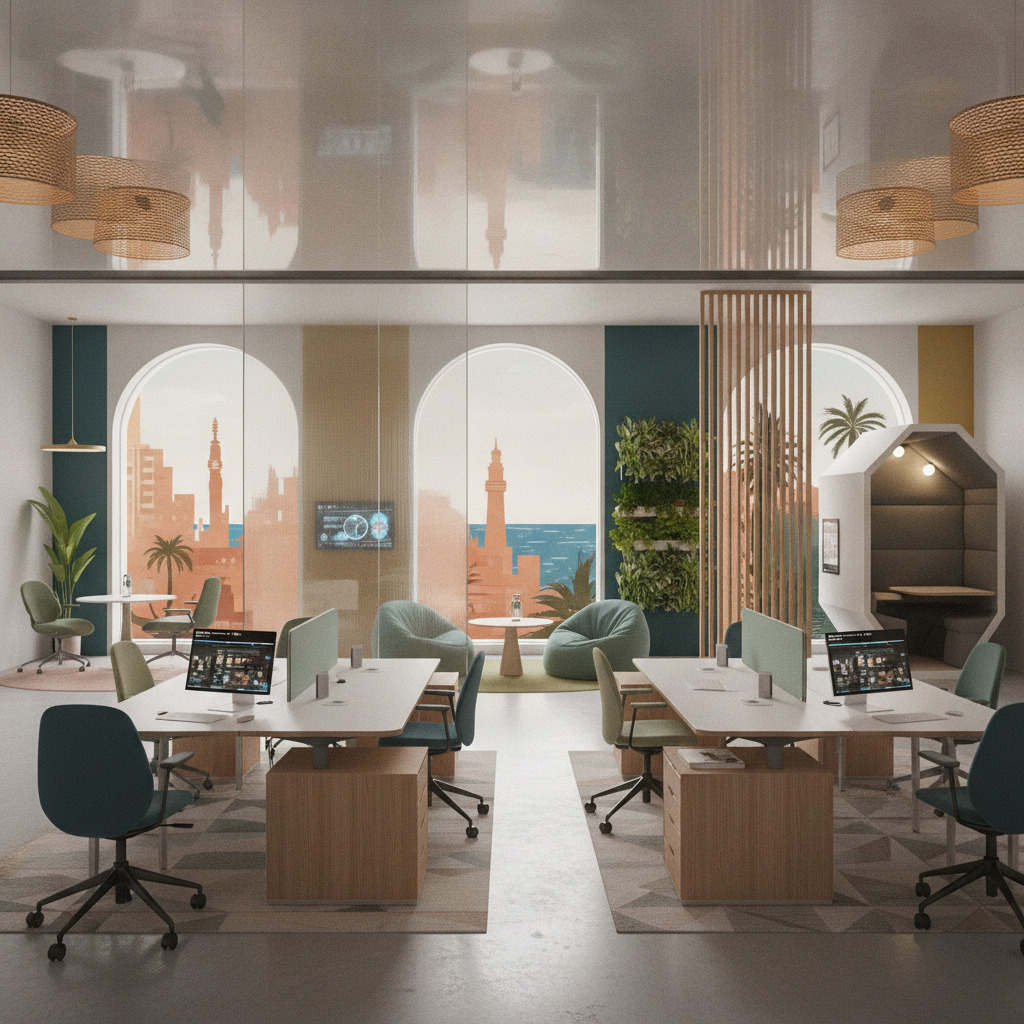
The morning sun cast a warm, golden glow over the salt pans of OMR as I stepped into the tenth-floor headquarters of a major technology firm. This space beautifully showcases the latest office design trends in chennai, moving away from the old maze of grey cubicles and fluorescent tubes. Today, the entrance feels like a welcoming courtyard in a traditional home, complete with terracotta accents and lush green palms.
This dramatic makeover represents a massive shift in corporate office interiors chennai. Chennai corporations are reshaping their workspaces to attract top talent and boost productivity. By analyzing current workspace design trends in Chennai, businesses can gain practical ideas for planning their next office renovation.
The evolution of office design in the capital of Tamil Nadu is deeply tied to its rapid economic growth. The early IT boom demanded maximum density, which led to cramped, uninspiring layouts. In 2026, modern organizations focus on worker well-being, cultural identity, and environmental care.
This change is visible across major commercial hubs like Guindy, Perungudi, and Sholinganallur. Visionary companies realize that the physical workspace directly impacts employee retention. Investing in modern office design chennai is no longer an afterthought but a planned business decision.
Biophilia and Microclimates
Chennai’s humid tropical climate presents unique challenges for indoor comfort and energy consumption. The first major trend is the incorporation of climate-responsive biophilic design. Designers are moving away from artificial plastic plants toward living green walls featuring local air-purifying species.
Plants like the Areca Palm, Snake Plant, and money plants thrive inside these air-conditioned spaces. They clean indoor toxins while adding a soothing visual element. This botanical blend reduces ambient indoor temperatures and lowers the load on cooling systems.
Studies on biophilic design indicate that a visual connection to nature can significantly reduce stress levels during high-pressure work hours. Placing these green zones near windows maximizes natural daylight and creates refreshing microclimates within the office floor.
Cultural Fusion and Local Artistry
Local identity is taking center stage as corporations reject cookie-cutter global designs. This second trend involves blending sleek corporate aesthetics with traditional Tamil heritage. Courtyard-style central lounges mimic the open-to-sky Thinnai of classic south Indian architecture.
Handmade Athangudi tiles from Chettinad are used to define shared pathways and break areas. Their bright geometric patterns offer a sharp contrast to sleek glass and metal partitions. This design choice honors local craftsmanship while providing highly durable flooring options.
Local artisans are hired to paint Tanjore-inspired murals or install terracotta wall relief panels. This approach builds a strong sense of pride and kinship among the local workforce. It turns a generic corporate office into a space with a distinct soul.
Hybrid Agility and Activity-Based Workspaces
The traditional assigned desk is rapidly disappearing in favor of hybrid-flex spaces. This third trend welcomes employees who split their time between remote work and the physical office. Workspaces are now divided into distinct zones tailored to specific tasks.
Quiet focus pods allow for deep concentration without distractions. Joint booths equipped with interactive screens help run quick brainstorming sessions. This spatial variety ensures that employees can choose the environment that best suits their current task.
- Focus Pods: Soundproof single-occupancy chambers for private calls and deep-work sessions.
- Huddle Spaces: Semi-open seating areas with digital whiteboards for quick team check-ins.
- Town Hall Steps: Tiered wooden seating areas for large company gatherings and casual social interactions.
Productivity increases when workers have autonomy over where and how they work. These flexible zones reduce the overall real estate footprint while improving spatial utility.
Eco-Friendly Materials and Circularity
Environmental consciousness is no longer optional for Chennai corporates. The fourth trend focuses on obtaining eco-friendly, locally made materials to reduce the carbon footprint of fit-outs. Designers are sourcing reclaimed teak wood from demolished structures in neighboring districts.
Upcycled materials like pressed agricultural waste panels and coconut coir board are replacing traditional gypsum board. These materials are biodegradable, non-toxic, and support local farming economies. They bring a warm, organic texture to the workspace that synthetic materials cannot replicate.
Using regional materials lowers transportation emissions and ensures the design withstands local humidity. Responsible sourcing has become a key metric for companies aiming for LEED or WELL certifications in Tamil Nadu.
Acoustic Engineering and Coir Innovation
Open-plan layouts often suffer from high noise levels, which disrupt concentration. The fifth trend addresses this with clever acoustic engineering using local organic materials. Standard synthetic acoustic foam is being replaced by compressed coconut coir panels.
These coir panels are wrapped in organic handloom fabrics sourced from weavers in Kanchipuram. They absorb sound waves beautifully while adding rich texture to meeting room walls. This blending of utility and heritage represents the peak of workspace design trends.
Acoustic baffling is also built into ceiling designs above busy shared zones. This targeted sound absorption keeps noise levels below fifty decibels, maintaining a peaceful atmosphere. Employees can focus on complex coding or financial analysis without being distracted by nearby conversations.
Ergonomic Mastery and Employee Wellness
Employee health is at the core of workspace design trends. The sixth trend is the widespread adoption of ergonomic furniture designed for long-term physical health. Height-adjustable sit-to-stand desks are now standard across new corporate fit-outs.
Ergonomic chairs with multi-directional lumbar support are selected to prevent chronic back pain. Sit-stand stools and active seating options encourage movement throughout the day. This preventative approach to wellness keeps the energy levels high during long working hours.
- Dedicated Nap Pods: Quiet, dark spaces for quick twenty-minute afternoon power naps.
- Wellness Rooms: Dedicated areas for meditation, prayer, or private health needs.
- Biophilic Pathways: Indoor walking tracks lined with plants to encourage physical movement.
These investments drastically reduce absenteeism related to musculoskeletal disorders. A healthy team is a highly focused and productive team.
Smart Building Integration and Climate Control
The seventh trend leverages Internet of Things technology to improve the indoor environment. Smart sensors monitor temperature, humidity, and carbon dioxide levels in real time. The HVAC system automatically adjusts airflow based on occupancy to prevent stuffiness.
Smart lighting systems mimic natural circadian rhythms, gradually changing from cool blue-white light in the morning to warm golden tones in the evening. This helps regulate the sleep-wake cycles of employees working late shifts. It is a vital feature for global firms operating across multiple time zones.
- Occupancy Sensors: Automatically turn off lights and air conditioning in unoccupied meeting rooms.
- Smart Glass: Dynamically tints windows to block solar heat while letting in natural light.
- Air Quality Monitors: Track particulate matter and automatically increase fresh air intake when thresholds are exceeded.
These systems can lower HVAC and lighting energy consumption by up to thirty percent annually while keeping workers comfortable.
Social Hubs and the Filter Coffee Culture
The traditional pantry is turning into a refined social hub. This eighth trend celebrates Chennai’s deep love for filter coffee and community. The office cafeteria is designed to resemble a modern, upscale local cafe.
Barista-style counters serve freshly brewed filter coffee, creating a natural gathering spot for cross-departmental interaction. These social hubs feature comfortable lounge seating, encouraging casual conversations that often spark fresh ideas. It breaks down departmental silos in a relaxed setting.
Designers use warm lighting and exposed brickwork to create a relaxed, non-corporate vibe. This space serves as a secondary workspace for those who prefer working in a lively environment. It bridges the gap between formal work and social relaxation.
Flexible Partitioning and Modular Walls
Fixed concrete walls are giving way to flexible, reconfigurable architectural elements. This ninth trend allows companies to expand or shrink their spaces with minimal disruption. Modular glass walls can be slid open to combine three small meeting rooms into one large presentation hall.
Acoustic curtains and movable divider panels allow teams to quickly customize their immediate surroundings. This flexibility prevents the need for costly renovations as the business structures change. It is a highly cost-effective approach for rapidly growing startups in Chennai.
Using modular systems extends the lifespan of the office fit-out. It provides long-term cost savings and reduces construction waste during organizational restructures. The space evolves dynamically alongside the business.
Inclusive and Accessible Spaces
The tenth trend centers on universal design, ensuring the workplace is accessible and comfortable for everyone. Offices are incorporating multi-sensory navigation elements, including tactile flooring and Braille signage. Height-adjustable reception desks and wide pathways welcome wheelchair users comfortably.
Gender-neutral restrooms and dedicated lactation rooms are standard inclusions. Quiet sensory rooms provide a sanctuary for neurodivergent employees who may experience sensory overload in open environments. This broad approach to inclusivity ensures equal access for all talents.
Designing for inclusion fosters a culture of belonging and mutual respect. It ensures every employee can perform at their highest potential without physical barriers. This trend represents the mature evolution of Chennai’s corporate culture.
Summary of the Top 10 Design Trends
| Trend | Key Elements | Primary Benefit |
|---|---|---|
| Biophilia & Microclimates | Areca Palms, Snake Plants, living green walls | Reduces indoor temperature, filters toxins |
| Cultural Fusion | Athangudi tiles, Tanjore murals, Thinnai layouts | Celebrates local heritage, builds pride |
| Hybrid Agility | Focus pods, huddle spaces, town hall steps | Maximizes flexibility and spatial utility |
| Eco-Friendly Materials | Reclaimed teak, coconut coir, agricultural waste | Lowers carbon footprint and supports local economy |
| Acoustic Engineering | Coir panels wrapped in Kanchipuram handloom | Reduces noise distraction below 50 decibels |
| Ergonomic Mastery | Sit-to-stand desks, nap pods, active seating | Improves physical health and reduces absenteeism |
| Smart Building Integration | IoT sensors, smart glass, circadian lighting | Improves climate control and lowers energy consumption |
| Social Hubs | Barista-style filter coffee counters, cozy lounges | Encourages cross-departmental teamwork |
| Flexible Partitioning | Modular glass walls, acoustic curtains | Allows easy expansion with minimal disruption |
| Inclusive Spaces | Tactile flooring, sensory rooms, lactation rooms | Fosters belonging and ensures universal access |
Practical Steps for Implementing New Design Trends
Upgrading an entire office can feel overwhelming, but a step-by-step approach makes it manageable. Start by conducting a thorough audit of how your current space is used. Gather feedback from employees across different departments to identify their primary pain points.
Focus on incremental upgrades if a complete renovation is not feasible. Begin with high-visibility zones like the reception area and the primary breakroom. Incorporating local art and biophilic elements in these areas immediately elevates the overall office vibe.
Partnering with experienced local designers ensures compliance with local building codes and eco-friendly standards. They can help navigate the sourcing of regional materials and set up smart systems smoothly. A thoughtful workspace is an investment in your company’s future success.
Summary of Key Takeaways
Embracing modern office design chennai requires a thoughtful balance of local culture, eco-friendly practices, and advanced technology. Valuing employee well-being through ergonomic furniture and acoustic control boosts overall productivity. Incorporating flexible, modular elements ensures the space remains functional for years to come.
Sourcing local materials like Athangudi tiles and coconut coir panels supports the regional economy while reducing environmental footprint. A well-designed office is a powerful tool for building a cohesive company culture and driving long-term business success.