
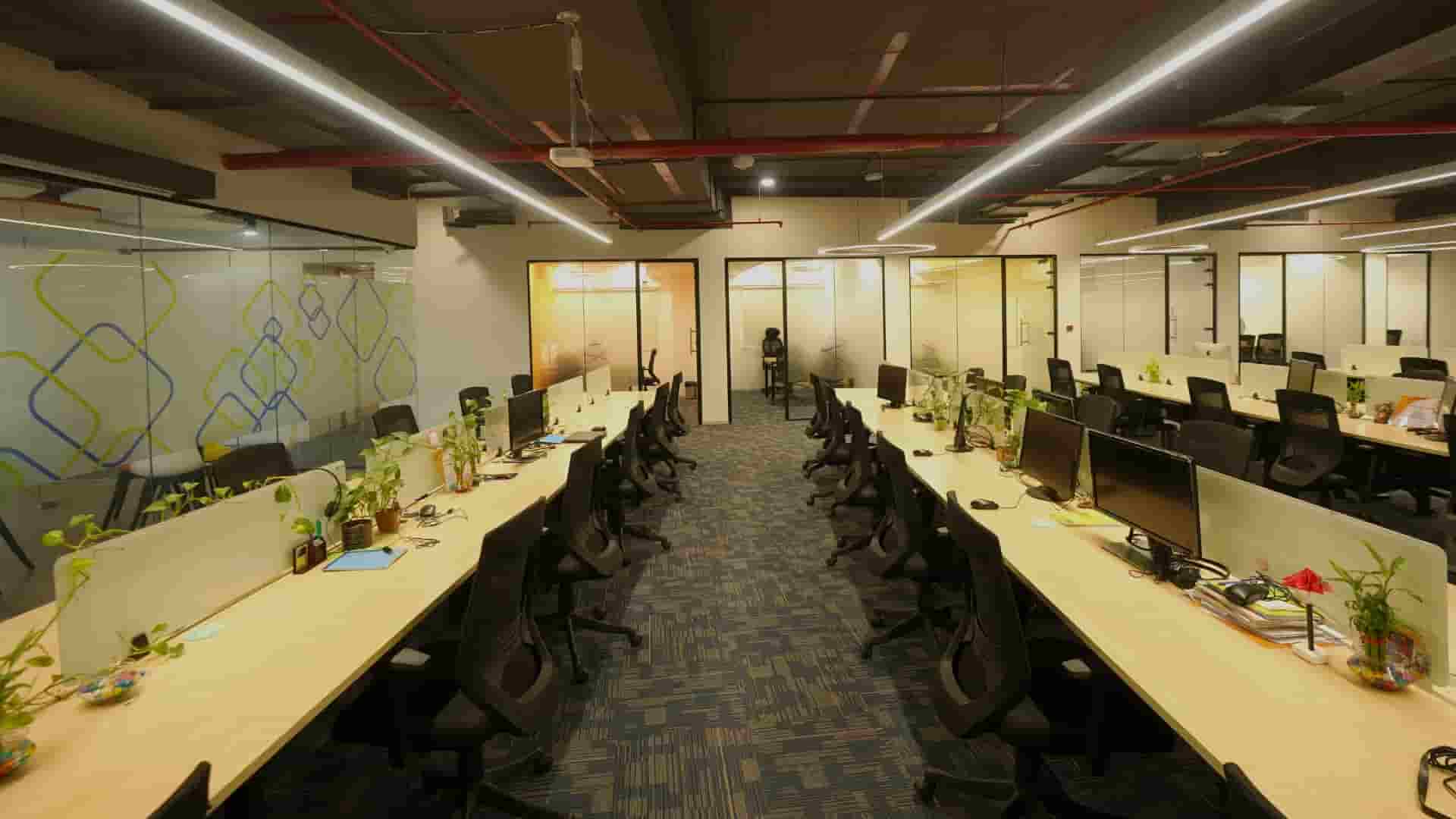
Our leadership team stood inside a dusty, concrete shell on Outer Ring Road in Bengaluru, staring at three wildly conflicting quotes for a single electrical layout. The hollow space was supposed to house our new regional headquarters, yet it resembled a chaotic, expensive disaster. Choosing between a turnkey vs traditional office renovation became our most pivotal choice as we struggled to wrangle a dozen independent contractors.
Fast-growing enterprises in India’s Silicon Valley have no time to waste refereeing fragmented construction crews. We wanted to share the hard truths we gathered while assessing our own physical workspace options. By parsing the true mechanics of site delivery, you can safeguard your capital and open your doors right on schedule.
We learned that your choice of construction path dictates your launch timeline, your ultimate budget, and your sanity. This is the raw story of how we escaped the nightmare of multi-vendor coordination to embrace a unified building process.
The Nightmare of Multi-Vendor Management: Our Bengaluru Reality Check
Initially, we chose the fragmented path, believing it would grant us tighter financial control and bespoke design freedom. We hired a talented independent designer based in Indiranagar and sought separate bids from local plumbing, civil, and electrical crews. The actual building phase quickly dissolved into a daily loop of blame-shifting and scheduling clashes.
The electrical crew refused to lay conduits because the drywall team had not finished their framing. Our internal manager spent forty hours a week refereeing petty site arguments instead of driving our business forward. This exhausting drain proved that the fragmented route demands an unrealistic amount of internal office project management Bengaluru expertise.
Without a single leader on site, minor design adjustments dragged us into weeks of tedious renegotiations with five separate parties. We soon realized that saving a tiny percentage on individual vendor bids cost us millions in lost operational focus. The disjointed approach was quietly draining our timeline and exhausting our leadership.
Comparing Unified Design-Build Against Fragmented Building in Tech Hubs
To rescue our office, we paused work to study the structural differences between these two setups. The classic method relies on a sequential design-bid-build path where the creative team and the builders sign completely separate contracts. This divide creates a natural friction where designers blame builders for poor craftsmanship, and builders mock designers for unbuildable blueprints.
Single-source setups eliminate this division by folding design, purchasing, and construction into one entity. Choosing turnkey office fit out benefits your business by placing complete accountability on a single partner who guides the space from blueprint to handover. This combined model aligns the goals of the architect and the builder from day one.
The entire build moves like a well-rehearsed theater production rather than a chaotic street market. Our move to this cohesive path resolved our site blockages within ten business days. We finally had one team working toward a shared deadline with zero excuses.
Why the Way You Build Matters in High-Stakes Business Hubs
Commercial spaces in prime Bengaluru hubs like Koramangala, Whitefield, and HSR Layout command eye-watering rents. Every week your workspace remains a dusty construction zone is a week of burning cash on an unusable shell. Our initial misstep delayed our move-in date by forty-five days, costing us immense momentum.
When weighing a turnkey vs traditional office renovation, the financial penalty of delay must be factored into your final budget math.
We quickly learned that swift delivery is the most vital financial metric for fast-growing companies in competitive arenas. Delays also derail recruitment plans, client onboarding, and team morale. Here are the hidden liabilities we faced during our fragmented renovation phase.
- Mismatched blueprints that forced expensive on-site corrections.
- Erratic material arrivals that left skilled carpenters sitting idle.
- Spiking supply costs because we could not purchase finishes in bulk.
- Zero recourse for structural defects discovered after the crews departed.
A Clear Comparison of Building Routes
To help picture the operational differences, we mapped out how these two routes handle major project milestones.
| Project Metric | Single-Source Route | Split-Contract Route |
|---|---|---|
| Main Contact | Single dedicated manager | Multiple independent crews |
| Risk Ownership | Contractor absorbs design and building risk | Client manages disputes and site clashes |
| Timeline Speed | Fast-tracked with overlapping phases | Sequential, prone to scheduling gaps |
| Budget Certainty | Fixed-price contract from day one | Fluctuating costs with constant change orders |
We realized we had to treat our office design and build as a major business launch rather than a series of disconnected chores. The heavy financial penalties of a delayed opening far outweighed any imagined savings from cheap individual bids. This realization changed our entire perspective on corporate real estate expansion.
Gaining Speed and Simplicity: The Power of a Unified Build
Partnering with unified commercial design-build contractors introduced our leadership team to a level of ease we had never experienced before. The immediate benefit was having a single contact who answered for every milestone, budget line, and quality check. This simplified communication allowed us to redirect our focus back to our customers and our software.
The turnkey team handled all local approvals, fire safety permits, and material logistics under a single umbrella. This erased the administrative burden that had previously paralyzed our operations team. We realized that the true value of this path lies in its power to compress schedules through overlapping phases.
Our new partner began purchasing vital materials while the final interior design details were still being polished. Here are the main benefits we observed during the combined design-build phase.
- A single comprehensive contract with a locked price that erased unexpected mid-project expenses.
- Overlapping design and purchasing schedules that allowed us to order furniture while walls were rising.
- Direct access to international supply channels for ergonomic seating and advanced acoustic panels.
- A single master warranty covering everything from the air conditioning ducts to the custom woodwork.
Our project timeline shrank by thirty percent once the unified team took control of the site. The constant stress of chasing independent contractors vanished overnight, replaced by structured weekly progress updates. We finally felt like clients rather than stressed, amateur construction managers.
Deciding Your Path: Turnkey vs Traditional Office Renovation
Choosing the right path requires an honest look at your team’s internal capacity and timeline limits. Large conglomerates with massive, dedicated real estate divisions might find value in managing dozens of independent vendors for sprawling campuses. Yet fast-growing startups, technology firms, and scaling enterprises in Bengaluru almost always require the speed and security of a single contract.
Your physical office is a vital tool to foster teamwork and house your talent, not a distraction to exhaust your leadership. We developed a simple checklist to help local business leaders weigh their readiness before signing any vendor contracts.
- Decide if your team can realistically spend hours every day resolving angry on-site contractor disputes.
- Calculate the financial loss of missing your scheduled office launch date by two full months.
- Assess if your office layout requires specialized engineering like server rooms or custom acoustic zones.
- Compare the peace of mind of a guaranteed maximum price against the unpredictable swings of multiple individual bids.
Our journey from multi-vendor friction to unified building taught us that simplicity is the ultimate commercial advantage. Ultimately, deciding on a turnkey vs traditional office renovation is about choosing between managing friction or focusing on your core business growth. Partnering with a single design-build entity allowed us to open our doors on time and under budget.
The right workspace should inspire your employees from their very first day without exhausting your executive team during its construction. Investing in a unified path is the most reliable way to ensure your new Bengaluru headquarters is built for immediate success. Trusting a single expert partner remains the smartest decision we made for our business growth.