
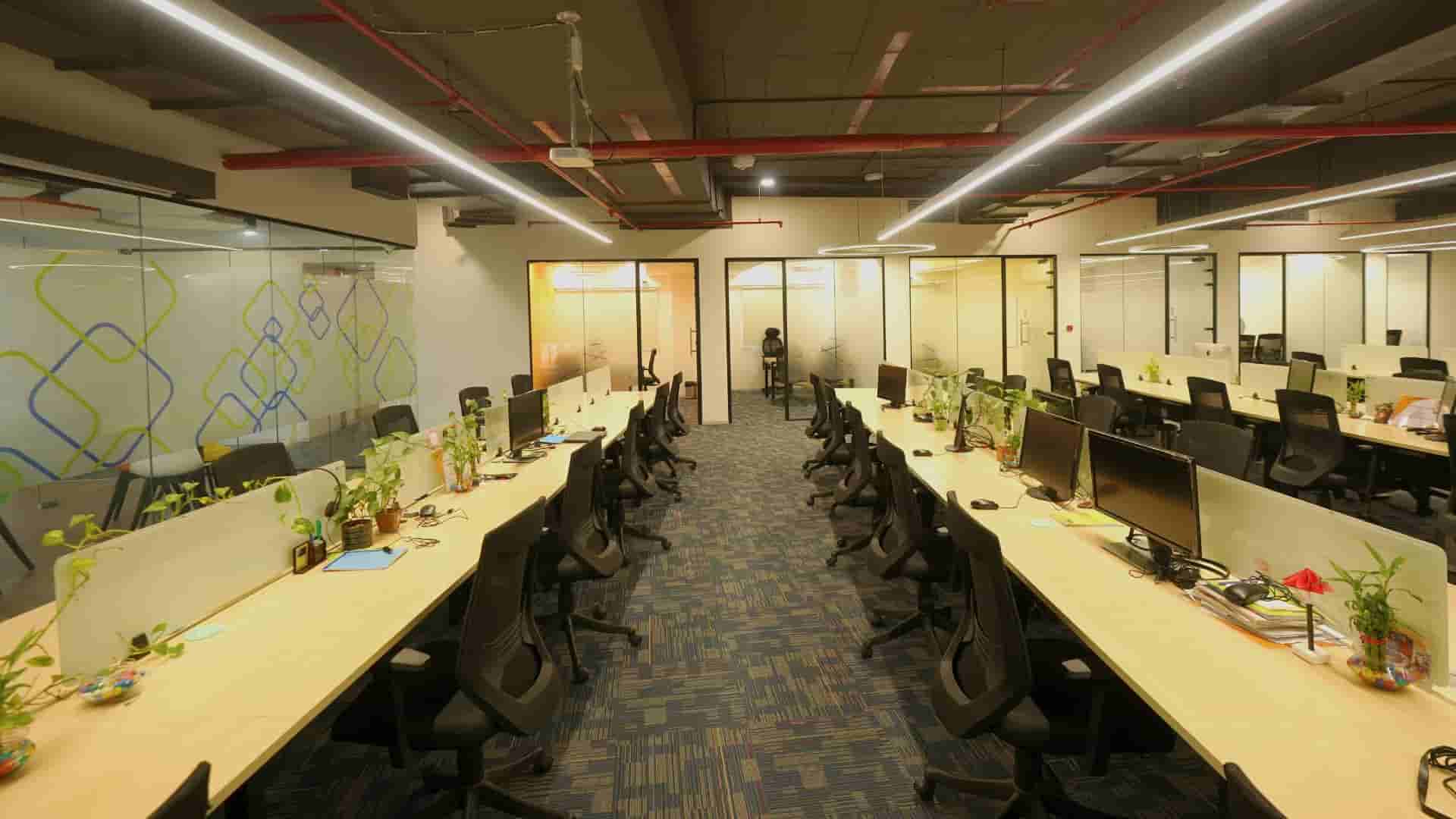
The Raw Sonic Reality of office acoustic design chennai inside Crowded Tech Spaces
Walk into any high-rise tech office along the OMR corridor in Chennai, and the noise hits you like a physical wall. Three hundred mechanical keyboards click and clack in unison, blending with the low, relentless hum of massive air conditioning units to register a steady seventy-five decibels on the meter. This constant sonic barrage slowly drains a developer’s mental battery, leading to missed bugs and sheer exhaustion by mid-afternoon.
Introducing a thoughtful office acoustic design chennai plan silences this background chaos. It brings back the quiet sanctuary that software engineers need to write clean, complex code without losing their minds.
Setting up a workspace that actually works requires looking beyond desk layouts and monitors. By carefully placing sound-absorbing panels and quiet booths, companies can quiet the daily chatter that breaks concentration. This kind of thoughtful noise control turns a chaotic, echo-filled room into a peaceful haven where fresh ideas can actually take root.
Not long ago, we stepped into a ten-thousand-square-foot software house in Taramani where ninety engineers shared one giant hall. The concrete floors, exposed steel ceilings, and floor-to-ceiling glass windows created a perfect reverberation chamber. Sound bounced off these hard surfaces for up to two point four seconds, making normal conversation feel like shouting.
How Long Echoes Drain Developer Energy
Because the echo lasted so long, a casual chat by the water cooler was easily understood thirty meters away. Developers on video calls with overseas clients spent half their time repeating themselves over the din. The background noise hovered at seventy-four decibels, far above the peaceful forty-five decibels recommended for deep, analytical work.
Fixing this structural headache required more than just throwing in a few soft rugs or cheap desk dividers. We had to design an architectural solution tailored to the humid, concrete-heavy builds typical of local technology parks. We focused on moisture-resistant materials and high-performance sound absorption to solve the problem at its root.
Choosing the Right Panels for office acoustic design chennai
We started by tackling the massive bare walls and high ceilings that behaved like giant mirrors for sound. Our team selected specialized panels made from dense polyethylene terephthalate felt to withstand the heavy coastal air. These panels have a Noise Reduction Coefficient of zero point eighty-five, meaning they absorb eighty-five percent of the sound energy that strikes them.
We fixed these panels to the key reflection zones directly opposite the main desk rows. Hanging ceiling baffles were placed across the paths of the air conditioning vents to catch rising sound waves before they hit the concrete ceiling. This setup stopped low-frequency hums from the server rooms and street traffic from building up over the course of the day.
Selecting Tough Materials for Humid Coastal Air
Finding the right sound-absorbing products requires matching them to the specific pitch of the human voice. Most workplace chatter ranges between five hundred and two thousand Hertz. This is the exact frequency span where our selected acoustic materials do their best work.
We used a careful mix of specialized materials to handle both the sound and the humid climate:
- Thick felt panels made of polyethylene terephthalate to prevent mold in the humid coastal climate.
- Two-inch thick fabric-wrapped fiberglass boards to soak up low-pitch background rumbles.
- Perforated wood ceiling tiles lined with acoustic fleece to keep the room looking warm while trapping sound.
- Tensioned fabric systems that hide overhead wires while serving as a massive sound sponge.
Adding Quiet Booths into office acoustic design chennai
Building modern software requires a delicate balance between active group discussions and long stretches of quiet concentration. To give people a place for private calls and deep focus, we set up custom soundproof booths across the office. These modular units use double-glazed glass and insulated walls to reach an impressive Noise Isolation Class rating of forty-five.
This level of insulation turns a loud conversation inside the booth into a faint whisper for anyone standing outside. We placed these pods along the main hallways so anyone could jump into one in seconds. The built-in fans cycle fresh air into the booths every sixty seconds, keeping them comfortable during marathon meetings.
Core Design Elements of Our Soundproof Pods
Inside the booths, thick foam walls covered in germ-resistant fabric prevent that annoying echo chamber effect. This ensures that voices sound natural and clear during video meetings.
The high performance of these quiet spaces comes down to several specific details:
- Heavy-duty door seals and drop-down bottom sweeps that block noise from escaping under the door.
- Triple-layer glass panes containing sound-dampening plastic sheets to block mid-range speech frequencies.
- Specially curved air vents that muffle the sound of the built-in fans.
- Rubber isolation feet that stop vibrations from traveling from the concrete floor up into the booth.
Smart Noise Control Steps for office acoustic design chennai
Managing noise in a packed office requires three basic actions: absorbing, blocking, and masking sound waves. This simple combination is the secret to making open-plan offices livable. We mapped out the office floor and divided it into three distinct areas depending on what kind of work was happening there.
The active zone holds the cafeteria, casual lounge spaces, and busy walking paths. Next comes the middle zone, filled with meeting rooms and informal couches where a normal talking volume is perfectly fine. Finally, the quiet zone is reserved purely for coding and writing, where silence is the golden rule.
Dividing the Space and Masking Distant Voices
We set up a sound-masking network that plays a soft, specially tuned background hum. This gentle noise mimics the natural frequencies of human speech, making faraway conversations blend into a soft murmur that is easy to ignore.
Creating these distinct zones relies on clear visual cues and shared office habits:
- Different colored carpet tiles that show when you are stepping from a loud area into a quiet zone.
- Tall, leafy plant stands placed to block sightlines and scatter sound waves in multiple directions.
- Small white-noise speakers tucked into the ceiling to blur out the sound of clacking keyboards nearby.
- A row of quick-call phone booths near the elevators to keep brief conversations away from working desks.
Real, Measured Results of office acoustic design chennai
Six months after we finished the soundproofing upgrade, we went back to measure the difference. The constant background roar had plummeted from seventy-four decibels down to a peaceful forty-eight decibels. When we surveyed the team, staff reported a forty-five percent drop in their daily stress levels.
The time needed to track down and fix tough software bugs fell by eighteen percent, proving that a quieter room makes minds work faster. The new quiet booths were packed, showing a ninety-two percent usage rate during the busiest hours of the day. These numbers show that when engineers are given a quiet place to work, they use it constantly.
Comparing the Workplace Before and After
Spending resources on proper soundproofing is a direct way to help an engineering team do their best work. It keeps developers happier and reduces burnout by making the office a much more pleasant place to spend the day.
| Sound Metric | Before Upgrades | After Upgrades | Actual Improvement |
|---|---|---|---|
| Background Noise | 74 Decibels | 48 Decibels | 26 Decibels Lower |
| Employee Stress Levels | High Daily Stress | 45% Lower | Much Better Peace of Mind |
| Time to Fix Bugs | Normal Speed | 18% Faster | Quicker Problem Solving |
Planning a Long-Lasting office acoustic design chennai Strategy
A growing technology company changes rapidly as teams swell and work styles evolve. A smart sound design needs to be highly flexible so it can adjust to these shifts without requiring messy, expensive demolition. Using modular wall panels and relocatable quiet booths lets companies adjust their floor plans in a single afternoon.
When a specific department expands, these mobile pods can be moved to an entirely different floor over the weekend. This keeps the initial spending useful for years, no matter how the company grows.
Caring for Sound Materials in Humid Weather
The local coastal heat and humidity can be incredibly harsh on indoor building materials. Standard foam paneling often rots, sags, and crumbles over time when exposed to constant air conditioning moisture. We chose water-repellent materials that refuse to hold moisture or host mold and mildew.
Keeping these systems clean is as simple as vacuuming the fabric panels with a soft brush once a month. The glass on the quiet booths is wiped down with mild, ammonia-free cleaners to keep the thick safety layers crystal clear. These basic upkeep habits ensure the sound insulation works beautifully and looks great for over ten years.
Using the correct glue is just as important. We picked low-emission, waterproof industrial adhesives to mount the panels to the concrete walls so they will never peel off during the heavy monsoon rains.
Finding True Quiet with office acoustic design chennai
Taming the noise in a busy technology office design takes a balanced plan that absorbs, blocks, and covers unwanted sounds. Installing dense fabric panels, setting up quiet booths, and marking out clear noise zones can slash daily workplace distractions. These steps help developers feel less stressed, stay focused on their screens, and write better software.
A well-planned acoustic space creates a calm, focused environment where engineering teams can truly do their best work.